How to Build a Bond Ladder for Passive Income and Lower Volatility
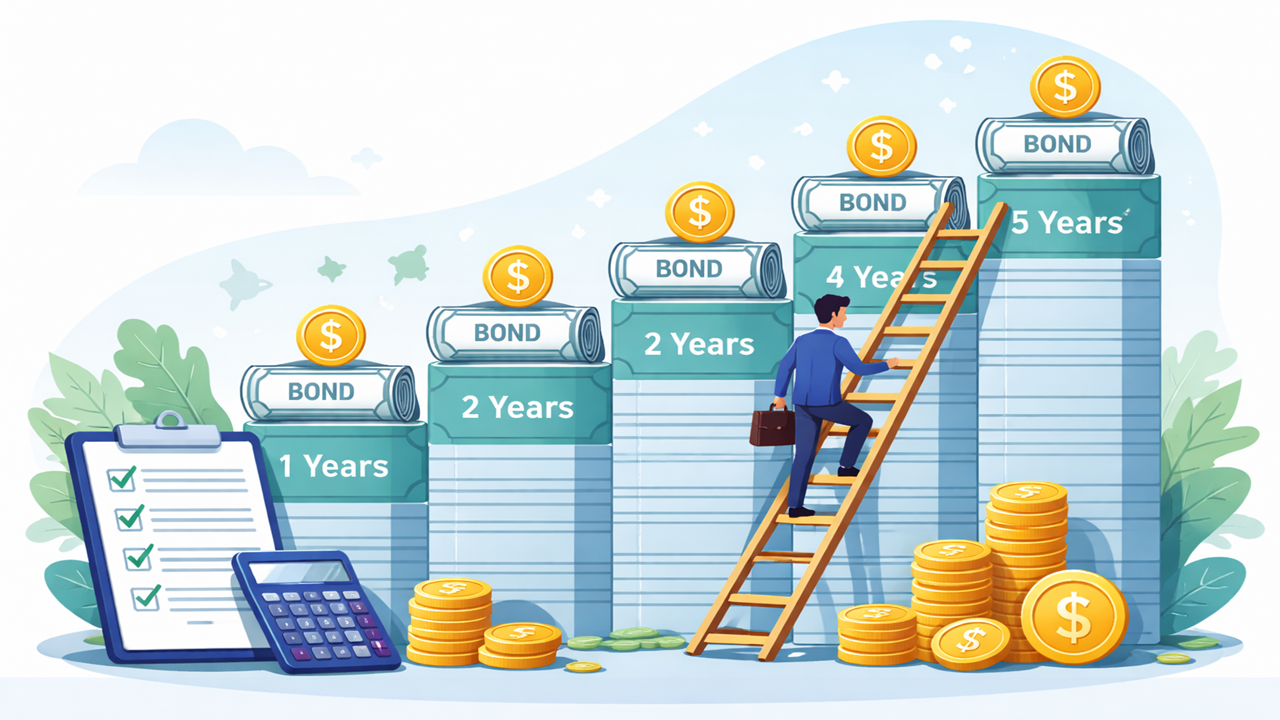
A bond ladder is a way to hold bonds with staggered maturity dates so that part of the portfolio comes due on a regular schedule. The appeal is simple: steadier cash flow, less dependence on one interest-rate environment, and lower volatility than an all-stock mix. But the strategy is not magic. Bonds can still lose value before maturity, issuers can default, and a ladder works best when the investor can mostly hold each rung until it matures.
The examples below use U.S. Treasury terms because the public documentation is clear and current, but the same ladder logic applies more broadly to government bonds, high-quality corporate bonds, municipal bonds, and defined-maturity bond ETFs in other markets.
What a bond ladder actually is
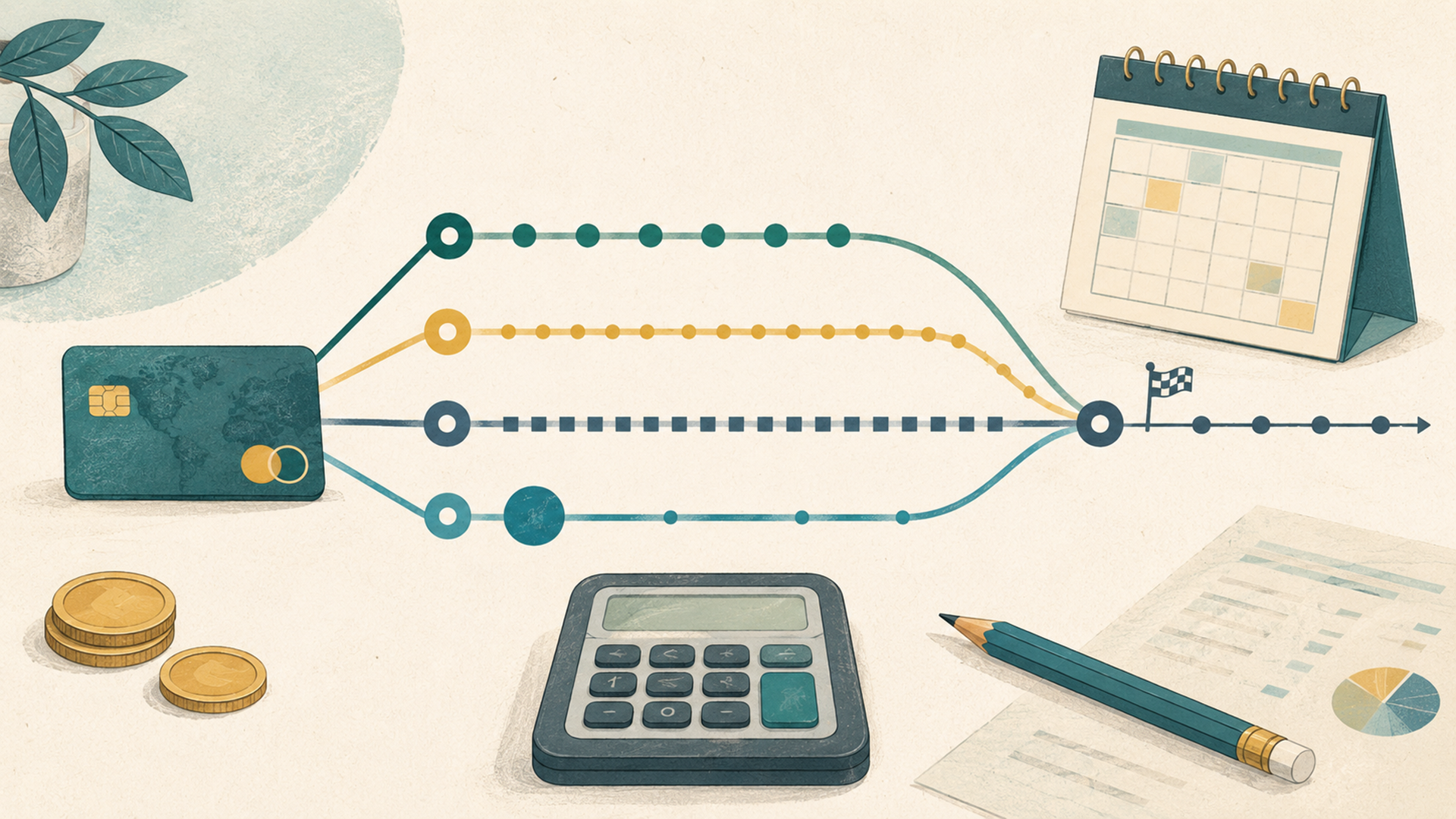
A bond ladder is a portfolio of bonds that mature on different dates instead of all at once. When the shortest rung matures, the principal can either be spent or rolled into a new bond at the far end of the ladder. That rolling process is what keeps the ladder going and helps reduce the need to guess the “right” moment to lock in rates.
That is why bond ladders are usually framed as an income-and-planning tool, not a return-maximizing trick. They can create predictable cash-flow windows and spread reinvestment decisions over time, but they do not erase interest-rate risk, credit risk, or reinvestment risk.
How bonds create cash flow inside a ladder
Different types of bonds create cash flow in different ways:
| Bond type | Typical use in a ladder | How cash flow arrives |
|---|---|---|
| Treasury bills | Short-term ladder | Bought at a discount or par, then paid at face value at maturity |
| Treasury notes | Medium-term ladder | Fixed interest every six months |
| Treasury bonds | Long-term ladder | Fixed interest every six months |
| TIPS | Inflation-aware ladder | Fixed rate paid every six months on inflation-adjusted principal |
The detail that beginners often miss is this: “passive income” is not always monthly income. Treasury bills pay at maturity, while notes, bonds, and TIPS pay semiannual interest. A ladder can still be structured for more regular cash flow, but that usually means staggering purchase dates or mixing coupon months rather than buying every rung on the same day.
Why investors use bonds in a ladder
The first reason is cash flow. A ladder can turn fixed income into a schedule instead of a lump. Because some bonds are always closer to maturity than others, the investor is not forced to wait years for the next decision point.
The second reason is lower volatility relative to stocks. FINRA notes that bond prices fluctuate but tend to be less volatile than stocks, and a ladder can further smooth interest-rate timing risk because part of the portfolio matures regularly. If rates rise, new rungs can be bought at higher yields sooner. If rates fall, longer rungs may still keep earlier, higher yields.
The catch is that lower volatility is not the same thing as no volatility. Investor.gov is clear that bonds still carry credit risk and interest-rate risk. If a bond is sold before maturity, the price may be above or below face value. And if the issuer defaults, the expected income stream can break down.
Step by step: how to build a bond ladder
1. Start with the job the money needs to do
A good ladder begins with purpose. Money for a near-term home purchase, tuition bill, or emergency buffer usually calls for a shorter ladder. Money intended to produce multi-year cash flow can justify longer maturities. The key limitation is simple: a ladder works best with money that probably will not need to be sold before maturity.
A practical rule is to match maturity dates to expected spending windows. If the cash may be needed inside a year, short-term bills are easier to manage. If the goal is a multi-year income stream, notes, higher-quality corporates, municipals, or target-maturity bond ETFs may be more suitable.
2. Choose the bond material carefully
For many beginners, the cleanest starting point is high-quality, non-callable bonds. U.S. Treasuries are often used because FINRA describes them as relatively lower-risk bonds, while Schwab and State Street both emphasize focusing on higher-rated issues when building a ladder.
Callable bonds need extra caution. FINRA notes that callable bonds may offer more yield partly because they expose the investor to call risk and reinvestment risk. In plain English, the issuer can repay the bond early, often when falling rates make that least convenient for the investor. That can punch a hole in the ladder.
3. Decide the ladder length and spacing
Spacing is the rhythm of the ladder. Shorter spacing creates more liquidity and more frequent decision points. Longer spacing may increase yield, but it also adds more rate sensitivity. Both Schwab and State Street point toward even spacing because it keeps the structure easier to manage.
There is no universal “best” length. A five-rung ladder is easier to understand than a 20-rung ladder, but the right answer depends on the size of the portfolio, the cash-flow target, and how much hands-on management the investor wants. More rungs generally mean better diversification of maturity dates and a smoother cash-flow schedule.
4. Size each rung
Equal-sized rungs are usually the easiest template. Divide the capital by the number of maturity buckets and give each rung the same weight. That keeps maintenance straightforward and makes it easier to see how much cash will come due at each interval.
For example, if an investor has $25,000 and wants five rungs, a simple starting layout is $5,000 per rung. That is not the only method, but it is the easiest one to explain, monitor, and rebalance over time.
5. Decide whether the ladder is for spending or compounding
This choice matters more than many beginners expect. A spending ladder sends coupon or maturity proceeds out as usable cash flow. A compounding ladder rolls those proceeds back into new bonds, using time and reinvestment to grow the income base.
That is why readers who want the growth side of the idea should also understand compounding. Bond income only compounds if the proceeds are actually reinvested. For short-term Treasury bill ladders, TreasuryDirect allows the proceeds of a maturing bill to be reinvested into another bill of the same term, which can make maintenance easier.
6. Roll each maturing rung forward
The classic maintenance rule is simple: when the shortest rung matures, buy a new bond at the far end of the ladder. That keeps the ladder length roughly constant and avoids turning the strategy into a one-off purchase that slowly collapses into cash.
Two relatable bond ladder examples with simple math
The numbers below use assumed yields for illustration only. They are not current quotes, and real cash flow will vary with auction results, secondary-market pricing, taxes, and trading costs.
Example 1: a $12,000 short-term Treasury bill ladder
Imagine an investor with $12,000 who wants regular short-term cash flow without locking money up for years. One simple approach is six rungs of $2,000 each, using 26-week Treasury bills bought one month apart.
Assume each bill is bought at a 4.5% annualized yield. Over six months, one $2,000 bill would earn about:
$2,000 × 0.045 × 0.5 = $45
Once the ladder is fully built, one bill matures each month. So from month six onward, roughly $2,045 hits the account each month: about $2,000 of returned principal and $45 of interest. The investor can spend the interest and roll the principal into a new 26-week bill, or reinvest the full amount to keep the ladder growing. Treasury bills pay at maturity rather than through interim coupons, which is why this style of ladder feels more like a rolling cash machine than a monthly paycheck from bond coupons.
Example 2: a $25,000 medium-term ladder built for steadier income
Now imagine an investor with $25,000 split into five $5,000 rungs of high-quality bonds maturing one year apart, with an assumed average 4% coupon or yield.
At that rate, the ladder would throw off about $1,000 a year in coupon income before taxes:
$25,000 × 0.04 = $1,000
That averages to about $83 a month, even though the actual cash does not arrive evenly every month. Most bonds pay interest twice a year, so the real payment dates will depend on the bonds chosen. On top of the coupon income, one rung matures each year. If rates are higher at that point, the new rung can lock in a better yield. If rates are lower, the other rungs still hold the earlier rate environment. That is the core stabilizing feature of laddering.
Bond ladder vs. bond fund vs. target-maturity bond ETF
Not every investor needs individual bonds. In many cases, the better question is whether maturity control matters more than simplicity and diversification.
| Approach | Stated maturity date? | Diversification | Complexity | Usually best for |
|---|---|---|---|---|
| Individual bond ladder | Yes | Low unless many bonds are owned | Highest | Investors who want precise maturity planning |
| Target-maturity bond ETFs | Yes | Higher | Medium | Investors who want ladder-like structure with less bond picking |
| Broad bond funds or ETFs | No fixed maturity for the fund itself | High | Lowest | Investors who want general bond exposure, not a set spending date |
This tradeoff matters. The SEC notes that many investors find it less expensive to achieve diversification through mutual funds or ETFs than through individual stocks or bonds. BlackRock and Invesco both describe target-maturity bond ETFs as combining a stated maturity with fund-style diversification, while traditional bond funds generally maintain an ongoing maturity or duration profile rather than liquidating on one known date.
Who a bond ladder is best for
A ladder tends to be a better fit when the investor wants scheduled cash flow, lower stock-market volatility, and a clearer timeline for when principal will become available. It also fits best when the money can mostly stay invested to maturity.
It tends to be a weaker fit when the starting amount is small, the investor wants instant diversification with minimal maintenance, or the money may need to be sold quickly. In those cases, broad bond funds or target-maturity bond ETFs can be easier to use.
The mistakes that weaken a bond ladder
The first mistake is reaching for yield by using lower-quality bonds. Higher income can look attractive, but it also increases default risk and can undermine the whole point of building a steadier fixed-income sleeve.
The second is using callable bonds without thinking through what happens if they disappear early. A ladder is supposed to give maturity control. Callable bonds reduce that control.
The third is calling the strategy “passive income” while building it with money that may be needed next month. If bonds have to be sold early, market prices still matter. A ladder is most reliable when the investor has the flexibility to let each rung do its job.
Where to buy bonds and manage the ladder
In the U.S., TreasuryDirect is the direct route for new-issue Treasury bills, notes, bonds, and TIPS, and the current minimum purchase size for those securities is $100. That is useful for beginners who want a straightforward government-bond ladder without broker markup on secondary-market issues.
A brokerage becomes more useful when the investor wants access to secondary-market bonds, municipal bonds, corporate bonds, or target-maturity bond ETFs in one place. Readers comparing broker experiences can start with Jivaro’s platform guides for Fidelity, Charles Schwab, and Robinhood. Readers building the broader financial foundation around the ladder may also find Jivaro’s Dollar Cost Average (DCA) Explained, Jivaro’s Baby Steps to Erase Debt & Build Wealth, From $30k to Broke: Why You Should Always Save for a Rainy Day, and The Financial Independence, Retire Early (FIRE) Movement useful next reads.
FAQ
How many rungs should a beginner use?
There is no universal number, but a useful inference from the major ladder guides is that a beginner usually wants enough rungs to spread maturity dates without making the setup too complex. More rungs generally mean better maturity diversification, while fewer rungs are simpler to manage.
Is a bond ladder better than a bond fund?
Not automatically. A ladder gives more control over maturity dates and principal return timing. A bond fund or ETF usually gives easier diversification, lower operational burden, and better accessibility for smaller balances. Whether one is “better” depends on whether maturity planning or simplicity matters more.
Are Treasury bills enough for a bond ladder?
They can be excellent for a short-term ladder because Treasury bills mature in as little as four weeks and as long as 52 weeks, and they pay out at maturity. But they are not the same thing as a multi-year coupon ladder. For longer cash-flow planning, notes, bonds, TIPS, or defined-maturity ETFs may fit better.
Does a bond ladder eliminate volatility?
No. It may reduce interest-rate timing risk and it generally sits in a less volatile part of the market than stocks, but market value can still fall before maturity, credit risk still exists, and callable bonds can disrupt the plan.
Can small investors use target-maturity bond ETFs instead of individual bonds?
Yes. For many smaller accounts, target-maturity bond ETFs are the more practical version of laddering because they offer stated maturity years with broader diversification and less bond-by-bond research.
Conclusion
A bond ladder is best understood as a planning tool, not a yield hack. It can turn bonds into a clearer cash-flow schedule, reduce the risk of making one giant rate-timing decision, and lower volatility relative to an all-stock allocation. But it works best when the bonds are high quality, the maturities are deliberate, and the investor is honest about whether the goal is current cash flow or long-term compounding.
For readers who want to go deeper after building the basics, Jivaro’s What is Compounding, DCA guide, and broker reviews can help connect the ladder to a broader investing plan.
References

About the Author
Harry Negron is the CEO of Jivaro, a writer, and an entrepreneur with a strong foundation in science and technology. He holds a B.S. in Microbiology and Mathematics and a Ph.D. in Biomedical Sciences, with a focus on genetics and neuroscience. He has a track record of innovative projects, from building free apps to launching a top-ranked torrent search engine. His content spans finance, science, health, gaming, and technology. Originally from Puerto Rico and based in Japan since 2018, he leverages his diverse background to share insights and tools aimed at helping others.