
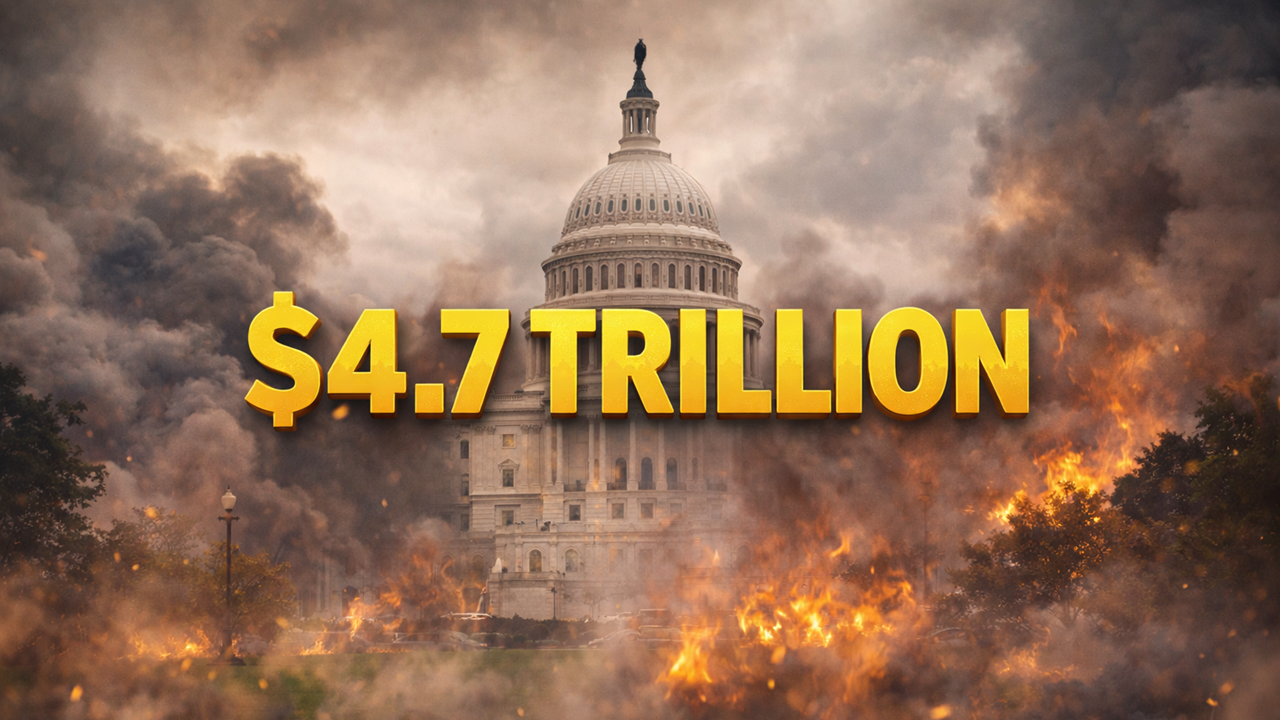
One Big Beautiful Bill Debt Estimate Rises to $4.7 Trillion
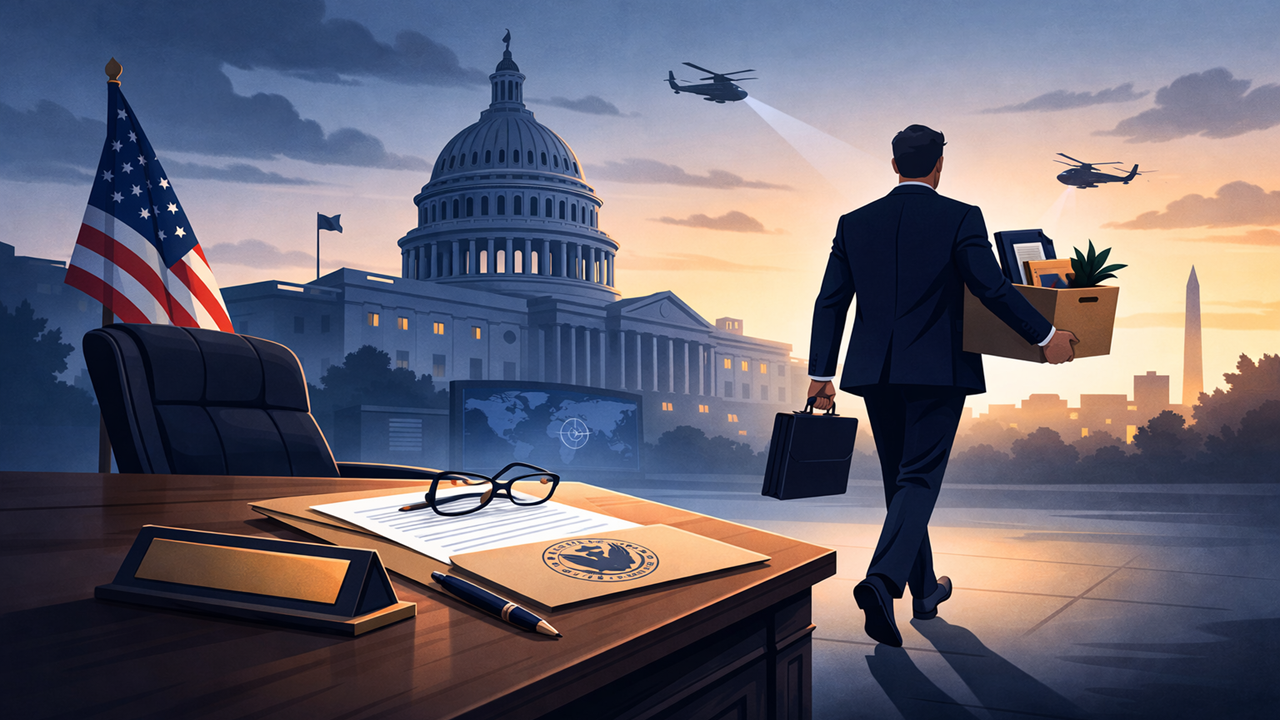
The One Big Beautiful Bill debt outlook is drawing renewed scrutiny after updated fiscal analyses projected that President Donald Trump’s signature tax and spending law could add about $4.7 trillion to federal debt from 2026 through 2035. The newer estimate has intensified debate in Washington because it is higher than the law’s original official 10-year budget score and points to much larger long-term borrowing if temporary provisions are later extended.
The package was signed into law on July 4, 2025, and became the centerpiece of Trump’s second-term domestic agenda. It permanently extended most of the 2017 tax cuts, created new temporary tax breaks for tips, overtime and some auto loan interest, boosted border security and defense spending, and offset part of those costs with cuts to Medicaid, food assistance, student loan programs and clean energy incentives.
Official congressional estimates released after passage put the law’s deficit impact at about $3.4 trillion from fiscal 2025 through 2034. More recent dynamic estimates, which also account for the broader economic effects of the law, place the cost at roughly $4.2 trillion through 2034 and about $4.7 trillion over the fuller 2026 to 2035 window. That higher figure reflects the fact that many of the law’s biggest provisions take effect in 2026 and that higher interest rates and debt-service costs outweigh the added revenue generated by modest economic growth.
The long-term picture is even more consequential. Independent fiscal analysts have estimated that the law could add roughly $15 trillion to debt by 2054 as written. If temporary tax breaks and spending increases are extended rather than allowed to expire, however, the 30-year debt increase could approach $31 trillion. That is the basis for the increasingly cited claim that the bill could add around $30 trillion over three decades.
Those projections are likely to become central to the political fight over the law. Supporters argue the legislation prevents a major tax increase, strengthens incentives for work and investment, and provides clarity for businesses and households. They contend that stronger output, higher labor participation and greater private investment will soften the fiscal blow over time.
Critics counter that the growth effects are too small to offset the added borrowing. Outside budget analysts have said the law provides only a modest lift to output while pushing up Treasury yields and increasing federal interest costs. They also warn that the temporary structure of several tax cuts and spending measures could create pressure on future lawmakers to renew them, making the eventual debt impact much larger than the law’s formal score suggests.
The dispute has broader implications for the federal fiscal outlook. The United States was already facing structurally large deficits before the bill became law, and analysts now say the package is likely to accelerate the rise in debt relative to the size of the economy. Even for lawmakers who support the policy goals in the legislation, the updated estimates are likely to keep the One Big Beautiful Bill debt debate at the center of budget battles heading into the next tax and spending deadlines.



















 Harry Negron
Harry Negron is the CEO of Jivaro, a writer, and an entrepreneur with a background in science, technology, and digital publishing. He holds a B.S. in Microbiology and Mathematics and a Ph.D. in Genetics, with a specialization in biomedical sciences. His work spans finance, science, health, gaming, and technology, and his projects include free apps, automation tools, and large-scale search utilities. Originally from Puerto Rico and based in Japan since 2018, he brings an international perspective to Jivaro’s content, research, and tools.