
Japan Cancels Mount Fuji Cherry Blossom Festival Amid Overtourism Crisis
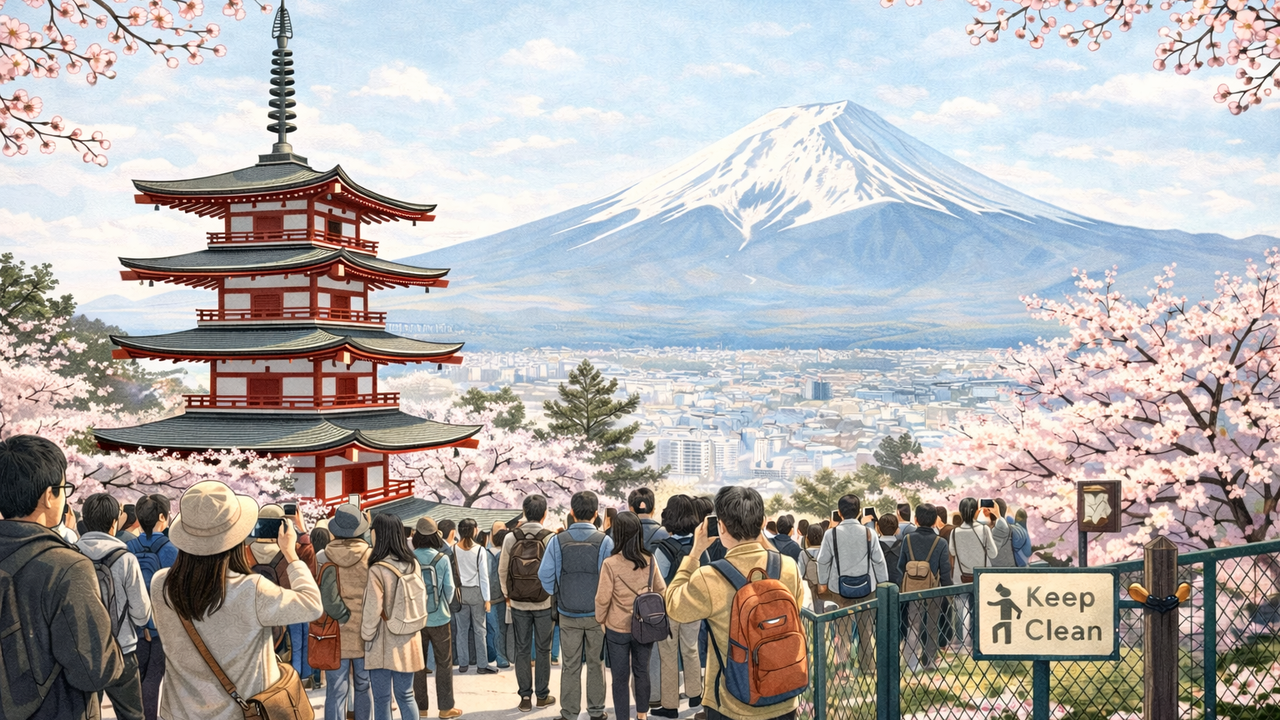
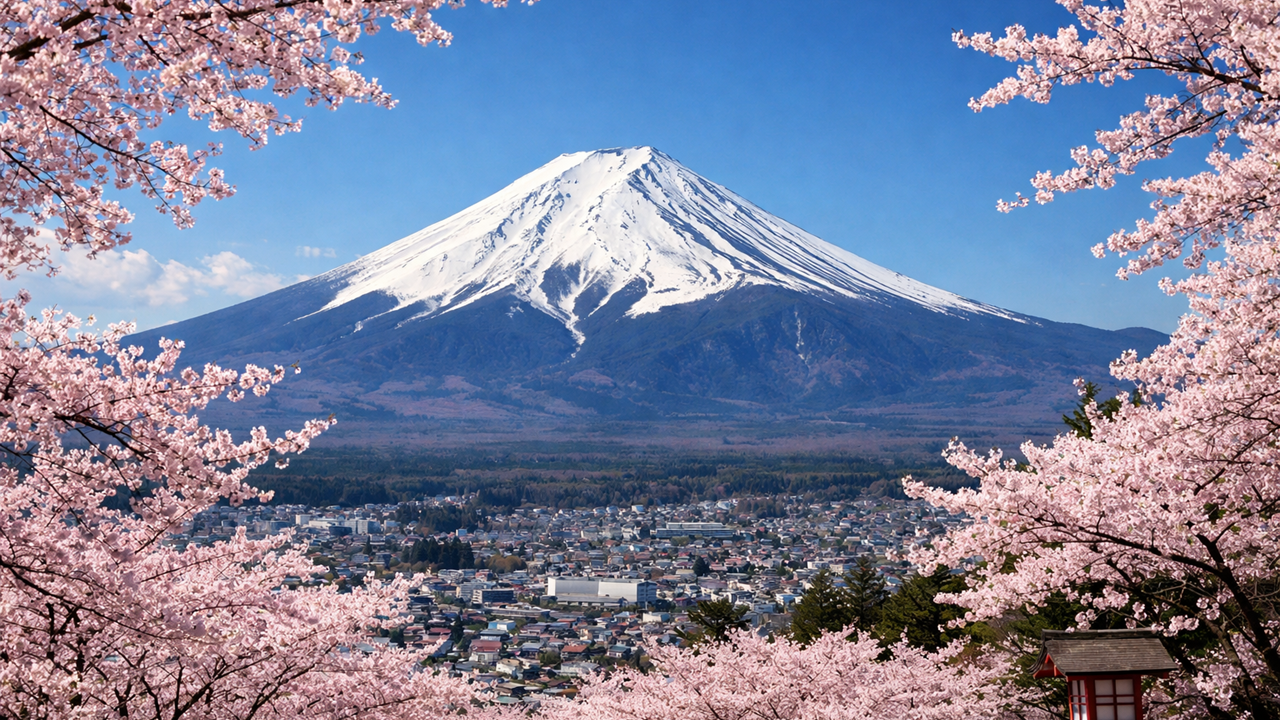
Japan has cancelled the 2026 cherry blossom festival near Mount Fuji after local authorities and residents raised serious concerns about overtourism and its impacts on community life. The annual spring event at Arakurayama Sengen Park in Fujiyoshida, Yamanashi Prefecture, known for its iconic views of Mount Fuji framed by cherry blossoms and a five‑story pagoda, will not take place this year, city officials confirmed.
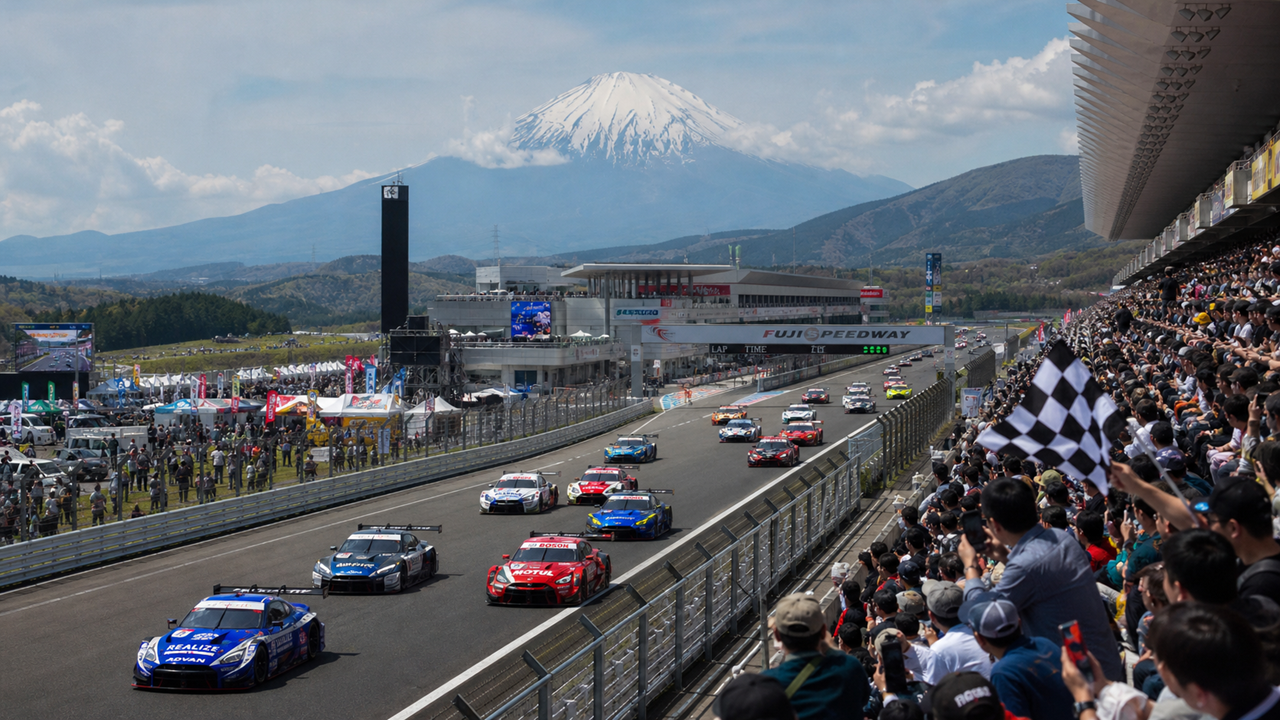
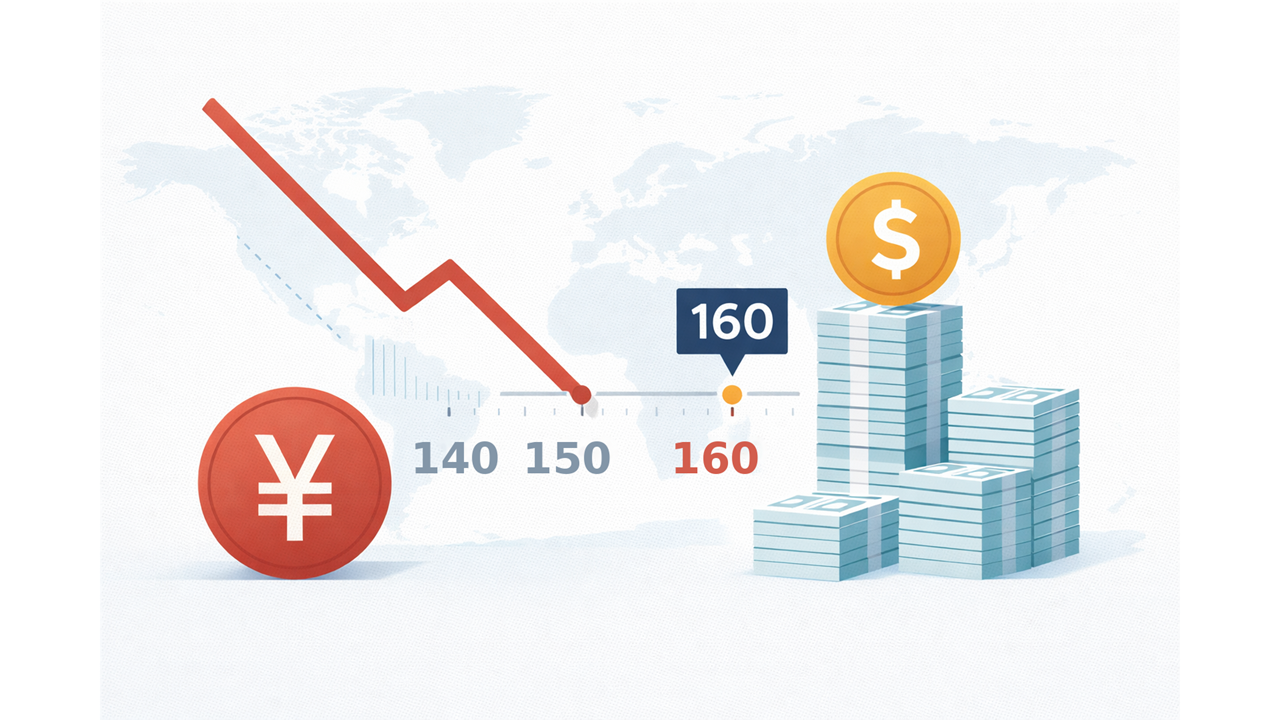
The decision, announced on February 3 by the Fujiyoshida city government, comes amid years of growing visitor numbers that have overwhelmed the small community and strained local infrastructure. The festival, launched about a decade ago, routinely drew roughly 200,000 visitors during its run each spring, with daily peak crowds exceeding 10,000 during the peak sakura (cherry blossom) season. Officials said the surge was driven in part by social media attention and a weak yen making Japan a more affordable destination for international travelers.
Local authorities cited a “strong sense of crisis” as a key reason for the unprecedented cancellation. Residents and officials detailed disruptive tourist behavior in recent years, including chronic traffic congestion, unmanaged crowds in narrow residential streets, rampant littering, and encroachment onto private property. Some reports described incidents of visitors entering private yards without permission to use facilities and other behavior deemed disrespectful to local norms and living conditions. These challenges prompted widespread calls for action to protect the dignity and daily lives of citizens.
Fujiyoshida’s mayor, Shigeru Horiuchi, underscored the need to prioritize the welfare of residents in the decision, noting that the beloved annual tradition had reached its limits. “Behind this beautiful landscape, the quiet lives of our citizens are being threatened,” he said in a statement highlighting the toll of unmanaged visitor influxes and the city’s responsibility to safeguard community wellbeing.
While the official festival will not proceed this year, authorities expect that many visitors will still come to view cherry blossoms and photograph Mount Fuji during the blooming season, typically spanning late March through April. To mitigate further disruption, the city plans to implement enhanced crowd management measures. These include increased security presence, designated temporary parking areas to reduce congestion, and additional portable toilets to address sanitation issues in heavily visited zones.
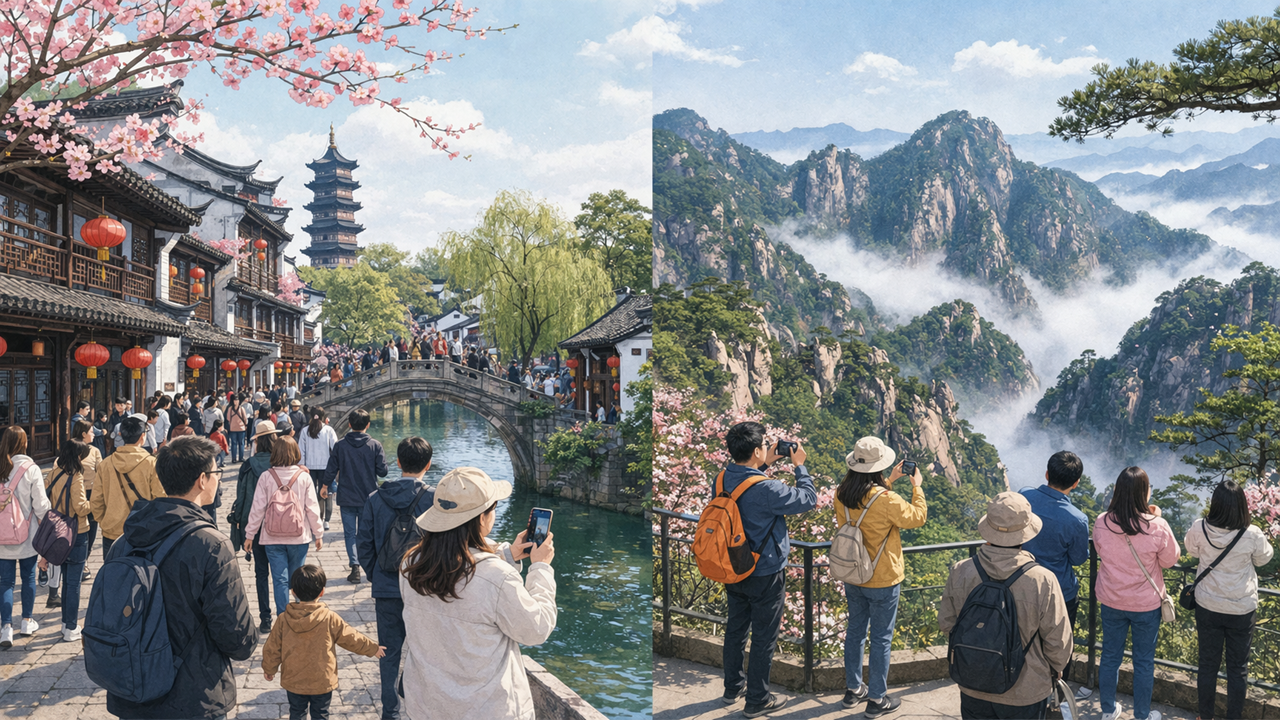
The cancellation reflects broader pressures facing popular tourist destinations in Japan and globally, where balancing cultural allure with sustainable visitor management has become increasingly urgent. Japan reported record levels of inbound tourism in recent years, putting pressure on smaller communities unprepared for mass visitation during seasonal peaks. In the case of Fujiyoshida, residents and officials agree that the traditional festival has become untenable in its current form without significant changes to how tourism is managed.























 Harry Negron
Harry Negron is the CEO of Jivaro, a writer, and an entrepreneur with a background in science, technology, and digital publishing. He holds a B.S. in Microbiology and Mathematics and a Ph.D. in Genetics, with a specialization in biomedical sciences. His work spans finance, science, health, gaming, and technology, and his projects include free apps, automation tools, and large-scale search utilities. Originally from Puerto Rico and based in Japan since 2018, he brings an international perspective to Jivaro’s content, research, and tools.