
Meta Muse Spark launches with new AI modes and wider rollout
Meta Muse Spark, Meta’s latest AI model, was released on April 8, 2026, and immediately began powering the Meta AI app and website, giving the company a new flagship assistant as it prepares a wider rollout across WhatsApp, Instagram, Facebook, Messenger and its AI glasses. The launch is the first public model release from Meta Superintelligence Labs and marks a major reset for a consumer AI strategy that now appears centered on how AI works inside Meta’s own products.
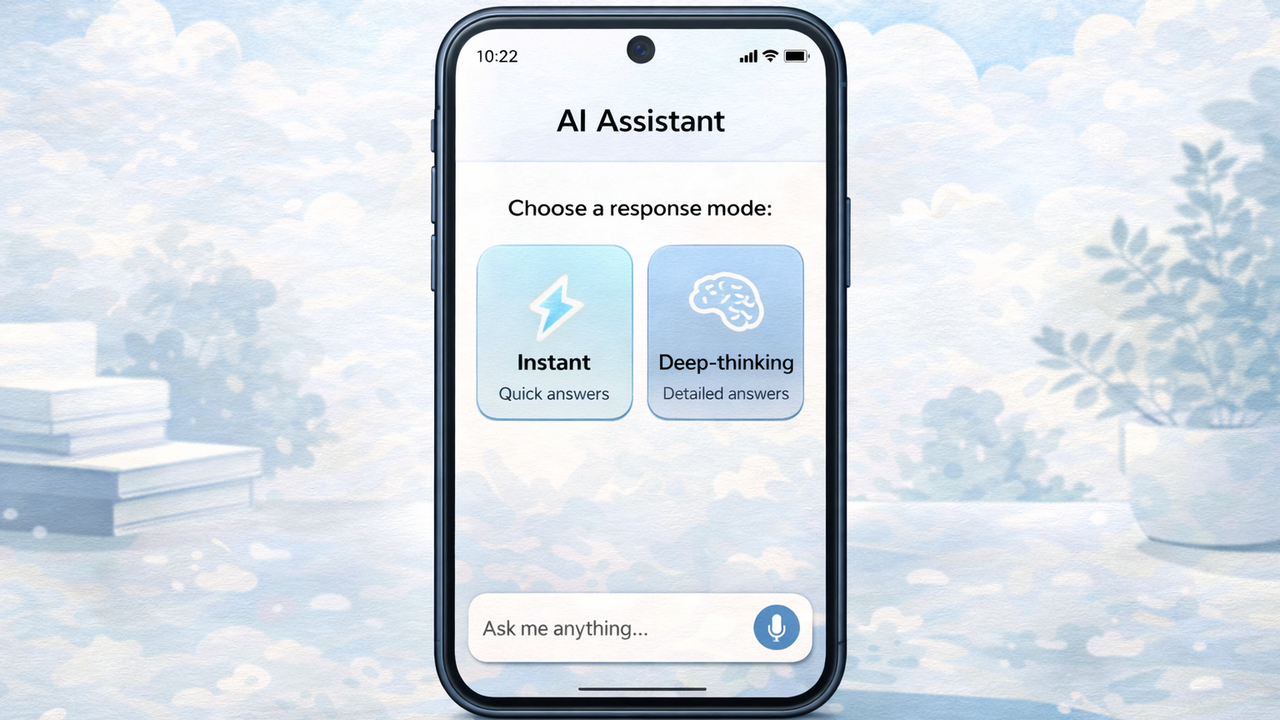
For everyday users, the update is aimed less at a single headline benchmark and more at how Meta AI behaves. Meta said the upgraded assistant can switch between faster “Instant” replies and more deliberate “Thinking” responses, while also launching multiple subagents in parallel to handle harder questions. Muse Spark accepts both text and image input, which Meta says will let the assistant interpret photos, answer some health questions that include images and charts, help with shopping recommendations and deliver richer visual search-style results.
The first rollout is limited. Meta said the new experience is starting in the United States on the Meta AI app and website, with more countries and more Meta services set to follow in the coming weeks. The company also said it will offer private preview API access to select partners, suggesting Meta wants third parties to test the model before any broader developer release.
The launch also breaks from Meta’s recent Llama playbook. Unlike the Llama releases that were broadly published for download, Muse Spark is not being opened up in the same way at launch, and Meta has not disclosed the model’s size. Company executives described it as small and fast by design, a sign that responsiveness and product integration may matter as much as raw scale for this release.
Independent benchmark data suggest Meta has narrowed the gap with top AI rivals in several important areas. Testing placed Muse Spark within the top tier of general-purpose models, with especially strong visual understanding, although it still appeared less convincing on some coding and abstract reasoning tasks. That profile fits Meta’s public pitch: a model designed first for consumer use cases such as search, shopping, health information and camera-based assistance, rather than a research showcase built mainly to chase bragging rights.
For consumers, the bigger question is whether those features feel genuinely useful once they land across Meta’s apps. If the rollout goes smoothly, Muse Spark could make Meta AI more visible in daily tasks such as comparing products, understanding what a camera sees or getting more context around places and trends. It also gives Meta a new answer to competitors that have spent the past year pushing more advanced assistants into search, mobile apps and productivity tools.























 Harry Negron
CEO of Jivaro, a writer, and a military vet with a PhD in Biomedical Sciences and a BS in Microbiology & Mathematics.