
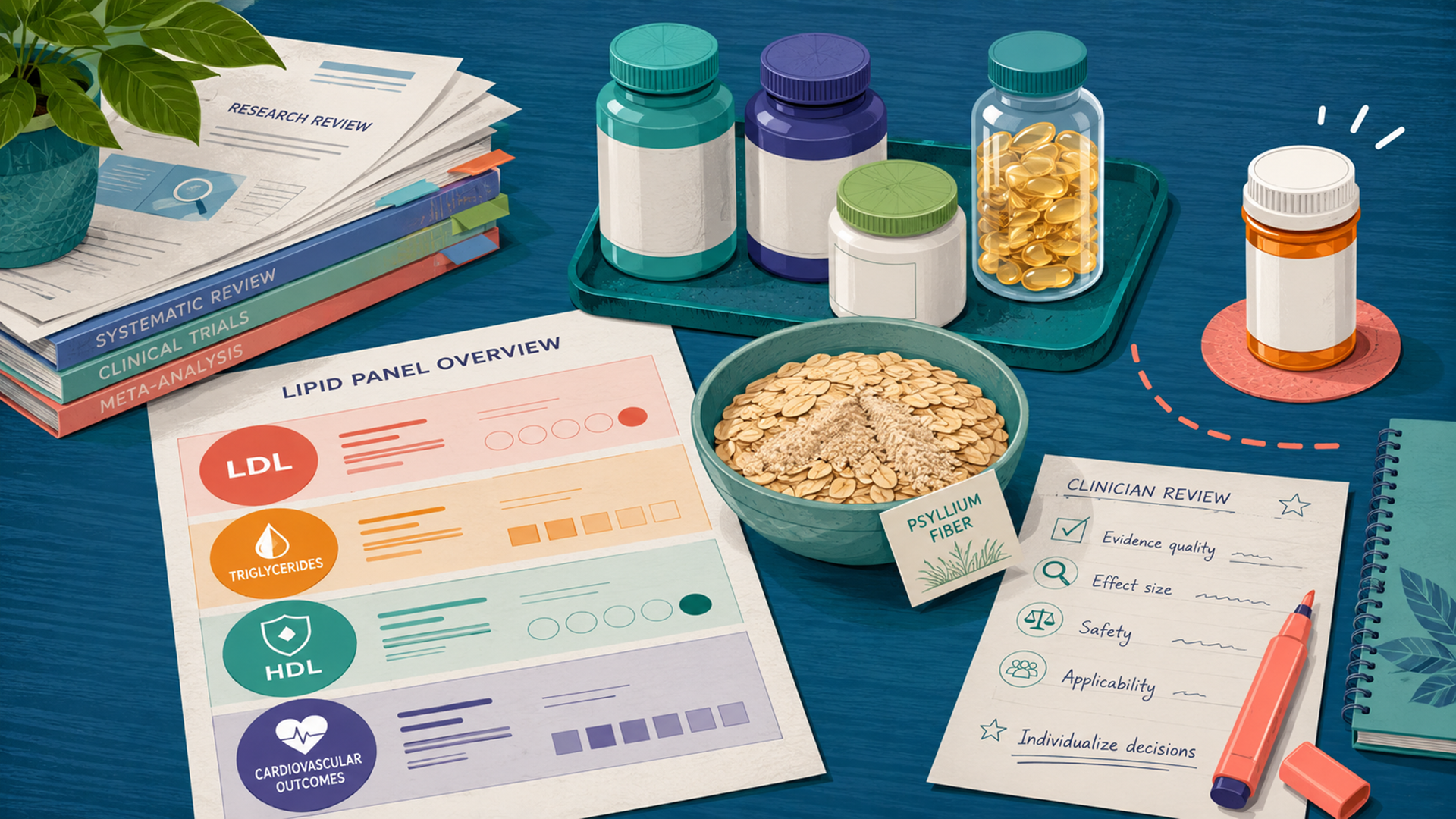
Supplements Studied for Cholesterol & Triglycerides: Evidence, Safety, and What the Research Says
Supplements marketed for cholesterol and triglycerides range from psyllium and plant sterols to fish oil, red yeast rice, berberine, niacin, and herbal extracts. This evidence-first guide separates LDL, triglyceride, HDL, and heart-risk claims; compares OTC products with prescriptions; and explains interactions, product-quality risks, and clinician questions.
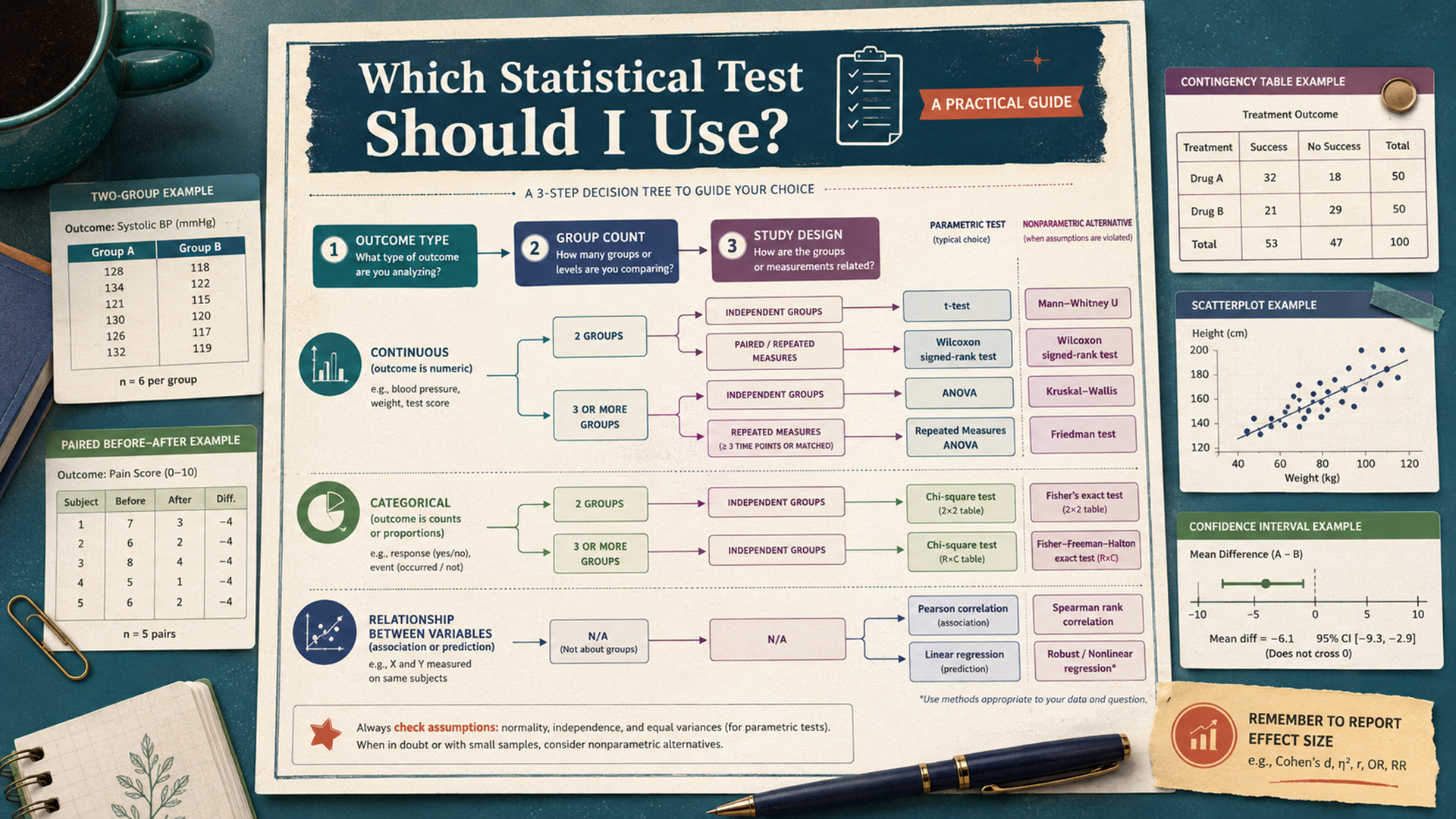
Which Statistical Test Should I Use? Practical Decision Tree
Choosing the right statistical test starts with five questions: What type of outcome do you have? Are you comparing groups or testing a relationship? How many groups are there? Are observations independent or paired? Do the assumptions fit? This guide maps those answers to t-tests, ANOVA, chi-square, correlation, regression, and nonparametric alternatives.
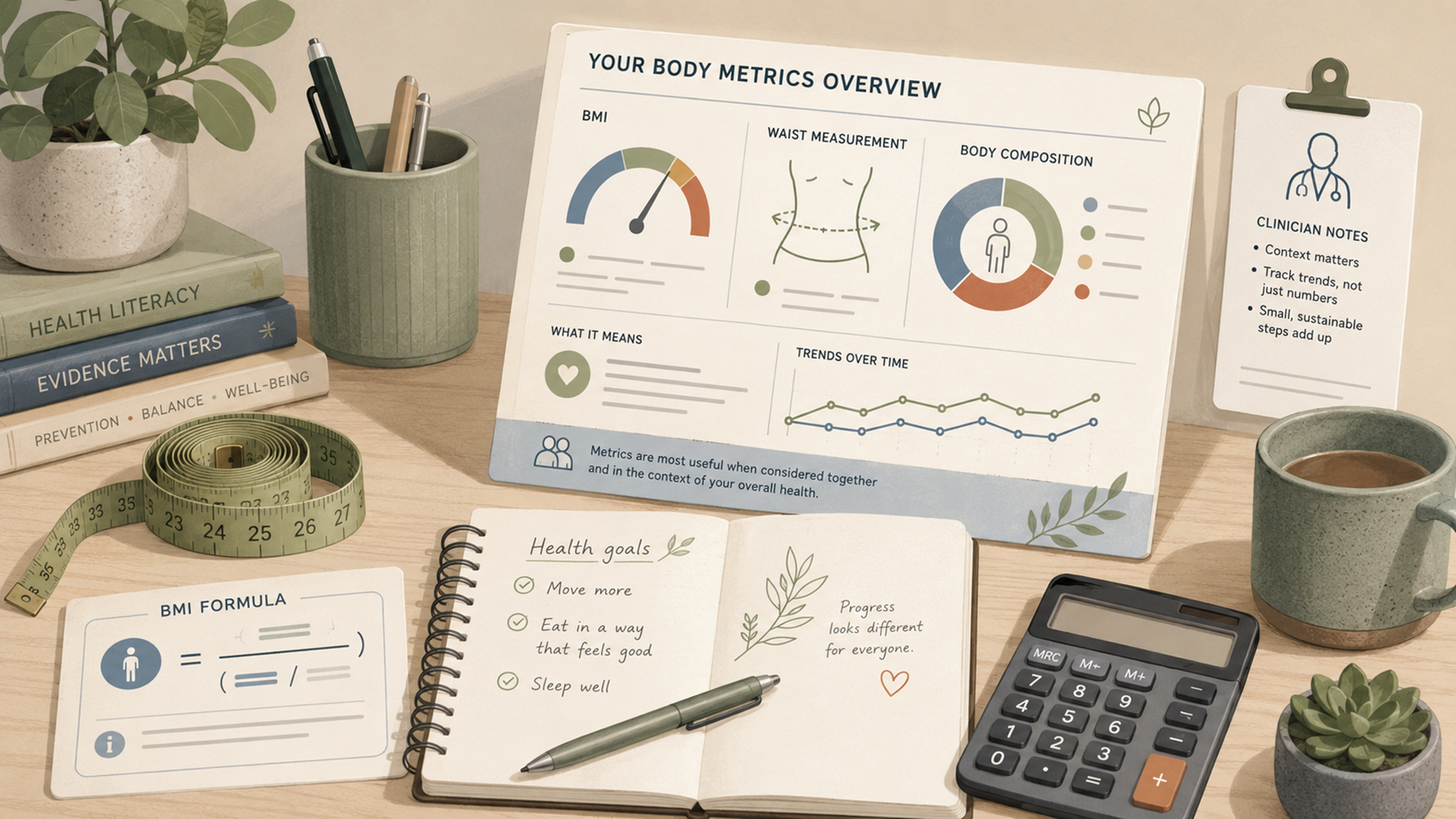
What Is BMI? How to Calculate Body Mass Index and Understand Your Number
BMI is a quick body-weight screening number, not a full diagnosis of health. This guide explains the formula, adult BMI categories, health risks, limitations for athletes, older adults, children, pregnancy, and different body types, plus how to use Jivaro LeanCraft for easier BMI and body-metrics tracking.
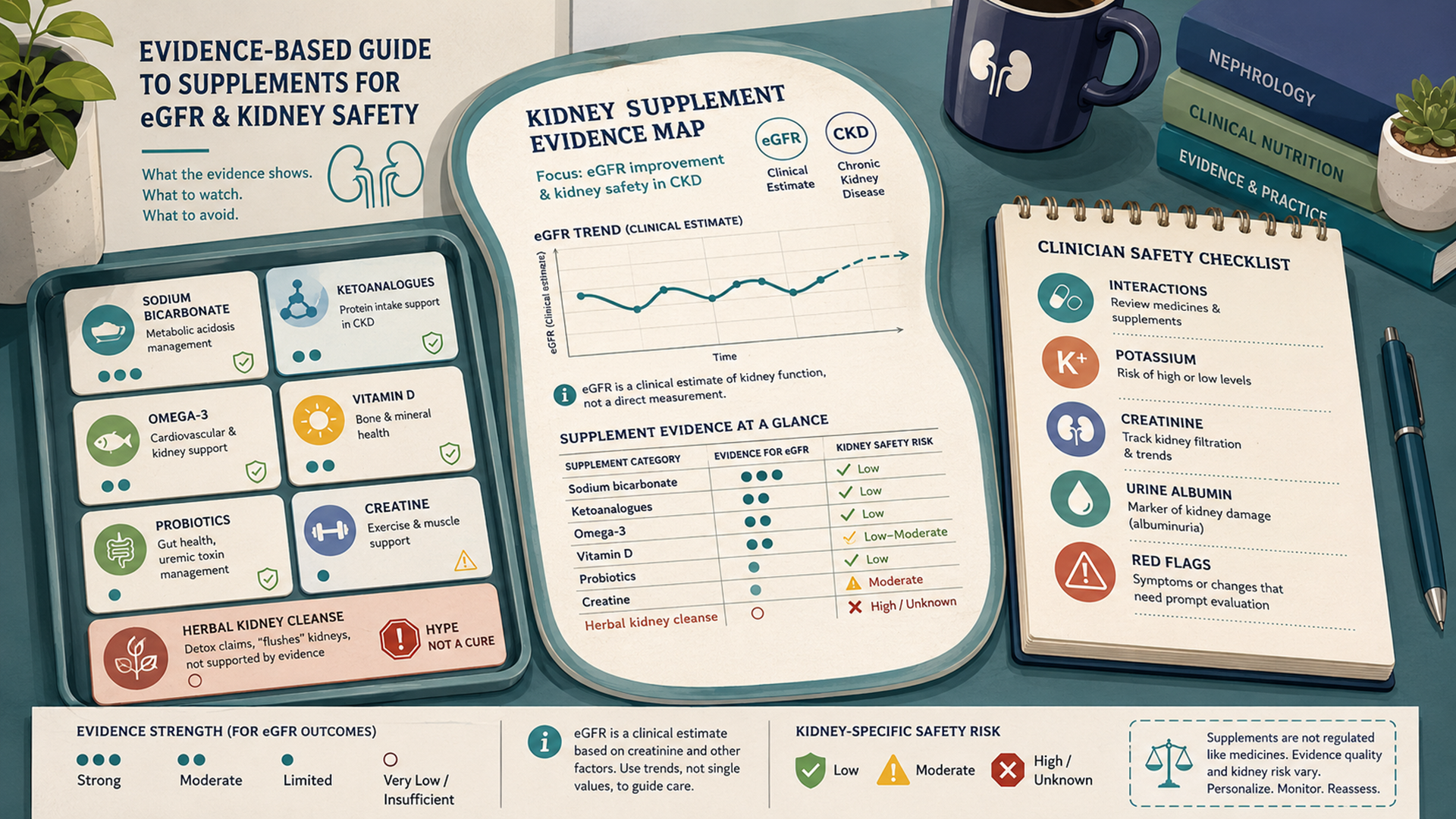
Supplements Studied for Improving eGFR: Evidence, Safety, and What the Research Says
Supplements marketed for improving eGFR range from sodium bicarbonate and omega-3s to probiotics, vitamin D, creatine, protein powders, and herbal “kidney cleanses.” This guide separates direct kidney-function evidence from indirect or safety-only claims and explains why people with CKD, diabetes, hypertension, stones, transplant history, or abnormal labs should be careful.
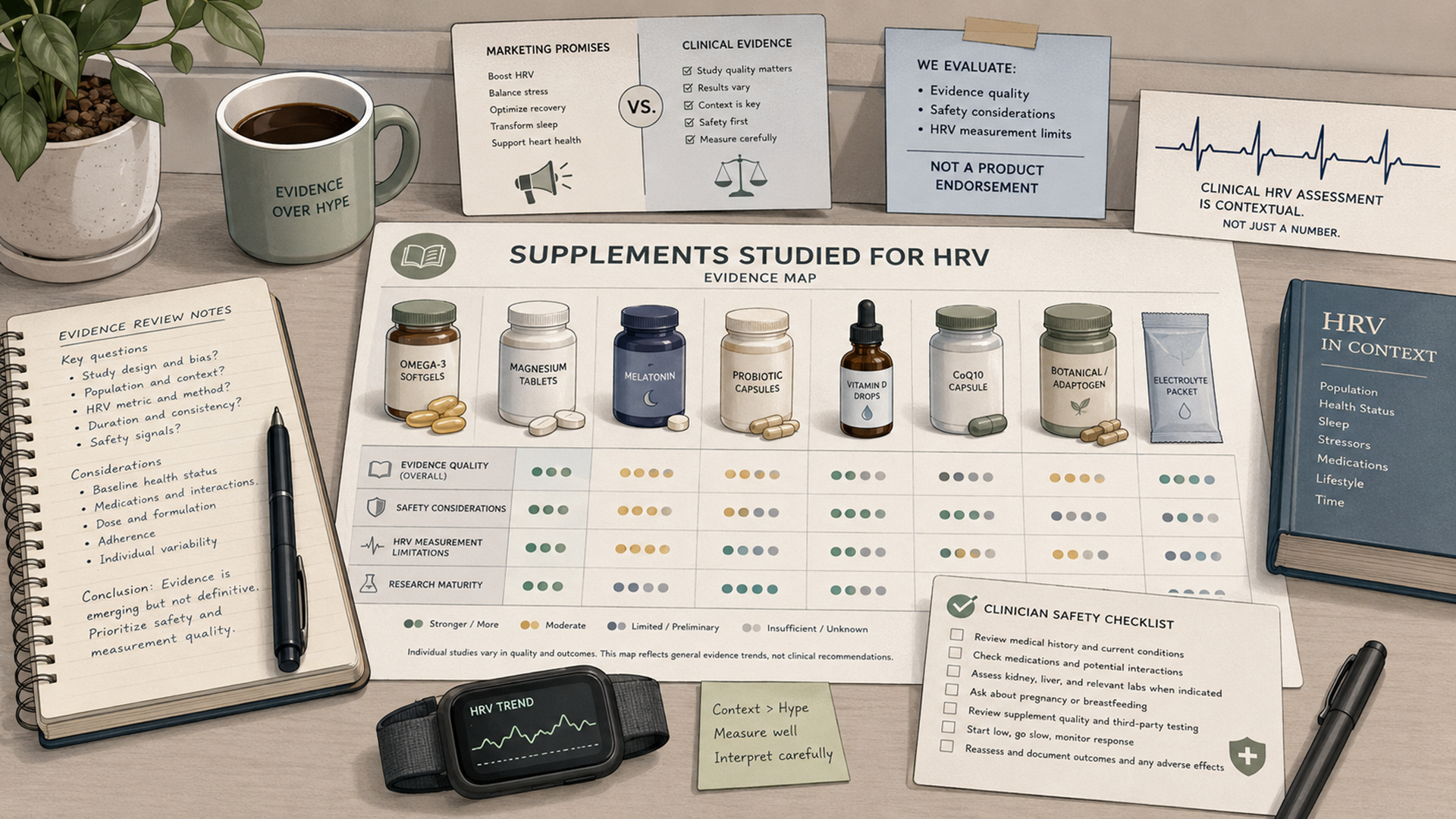
Supplements Studied for HRV: Evidence, Safety, and What Research Says
Supplements studied for HRV include omega-3s, melatonin, magnesium, probiotics, vitamin D, CoQ10, polyphenols, adaptogens, amino acids, and electrolytes—but the evidence is uneven. Some have small human HRV studies, while many are supported only by indirect sleep, stress, inflammation, or cardiovascular data.
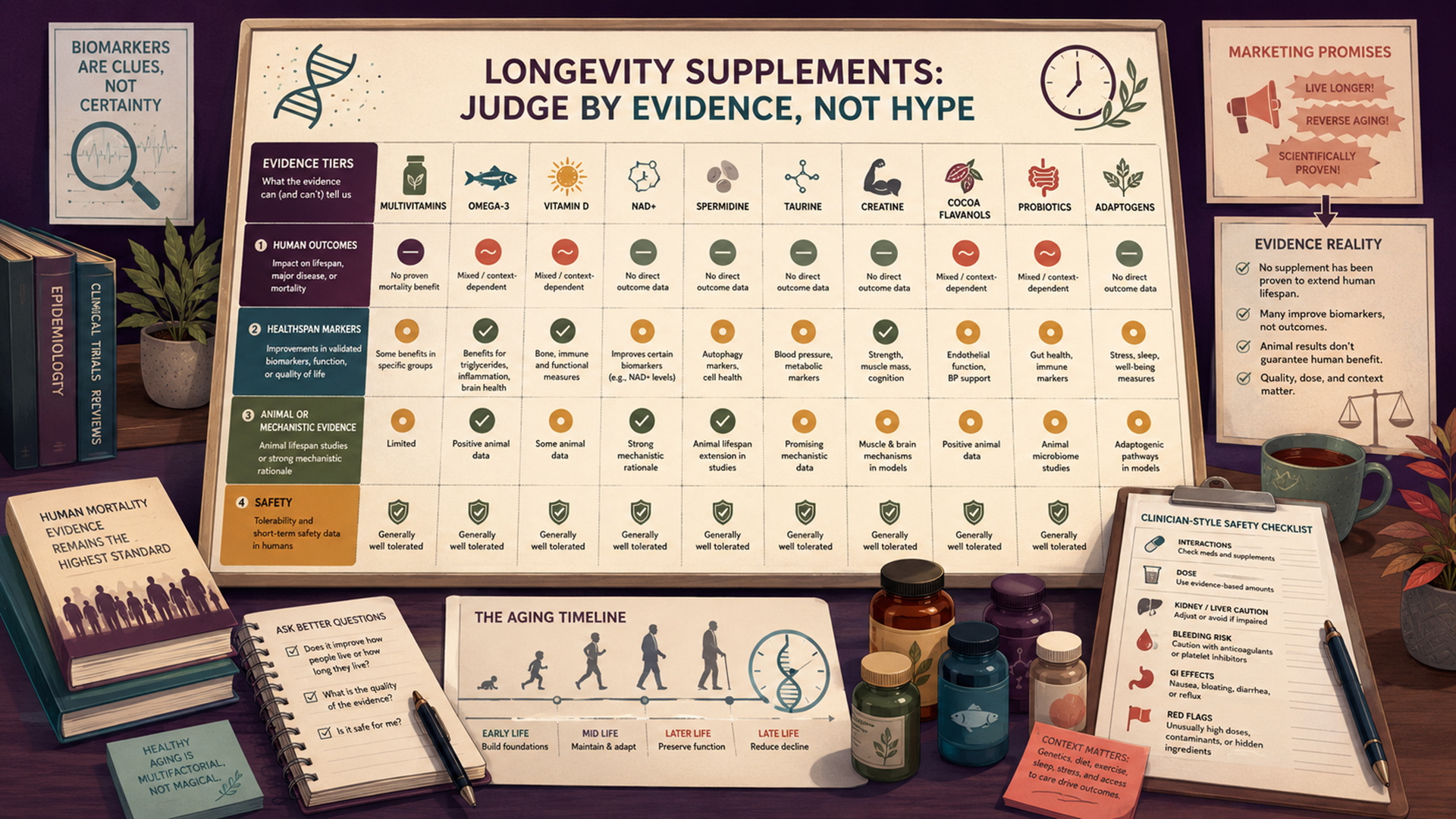
Supplements Studied for Extending Lifespan: Evidence, Safety, and What the Research Says
Supplements promoted for lifespan extension range from multivitamins and omega-3s to NAD+ precursors, spermidine, taurine, creatine, probiotics, fiber, and polyphenols. This guide separates human mortality evidence from biomarker, animal, and mechanistic data—then explains safety, interactions, and what research does not prove.

Supplements Studied for Cancer: Evidence, Safety, and What the Research Says
Cancer supplement research is easy to overread. This guide compares commonly studied vitamins, minerals, botanicals, probiotics, omega-3s, mushrooms, and high-risk alternative products, with practical safety notes on chemotherapy, radiation, immunotherapy, surgery, bleeding risk, liver injury, and clinician conversations.

GLP-1 Questions to Ask Your Clinician Before Starting Medication
Preparing for a GLP-1 appointment is easier when the conversation is structured. This guide gives practical questions about eligibility, medication choice, expected benefits, safety history, side effects, monitoring, insurance, compounded products, stopping treatment, and lifestyle support—without telling readers what to take.
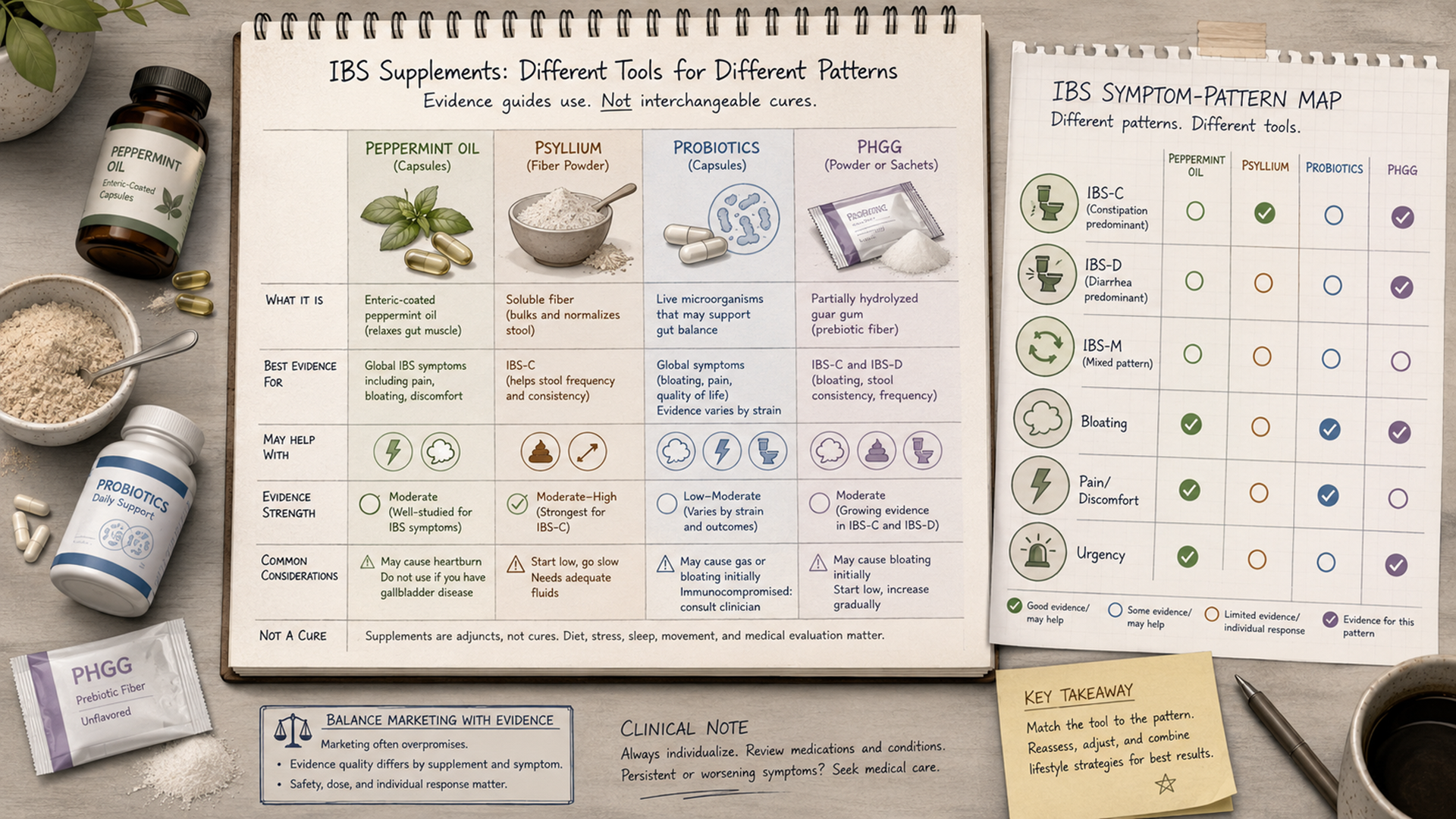
Peppermint Oil vs Psyllium vs Probiotics for IBS: What Works by Type
Peppermint oil, psyllium, and probiotics are often marketed for IBS, but they do different things. Evidence is strongest for enteric-coated peppermint oil for short-term pain and global symptoms and soluble fiber such as psyllium for stool-pattern support. Probiotics are less predictable, while PHGG may be a gentler fiber option for some people.

How Peer Review Works: Single, Double, Open, and Editorial Review
Peer review is not a rubber stamp. It is an editorial quality-control process in which editors screen a manuscript, qualified reviewers evaluate its methods and reasoning, and the journal makes the final decision. This guide explains how peer review works, how review models differ, and how authors and readers should interpret peer-reviewed work.

How to Get Published: A Beginner’s Guide to Articles, Research, and Books
Getting published is easier to understand when you stop treating every path the same. This beginner’s guide explains the difference between publishing online articles, research manuscripts, essays, and books, then walks through how to choose an outlet, shape a publishable idea, submit cleanly, handle rejection, and build a repeatable publication workflow.

How to Get Your First Research Publication
Getting your first research publication is easier when you choose the right path: mentor-led project, review paper, case report, class-project conversion, undergraduate journal, or independent study. This guide gives practical examples, outreach scripts, authorship warnings, journal red flags, and a 6–12 month roadmap for first-time researchers.
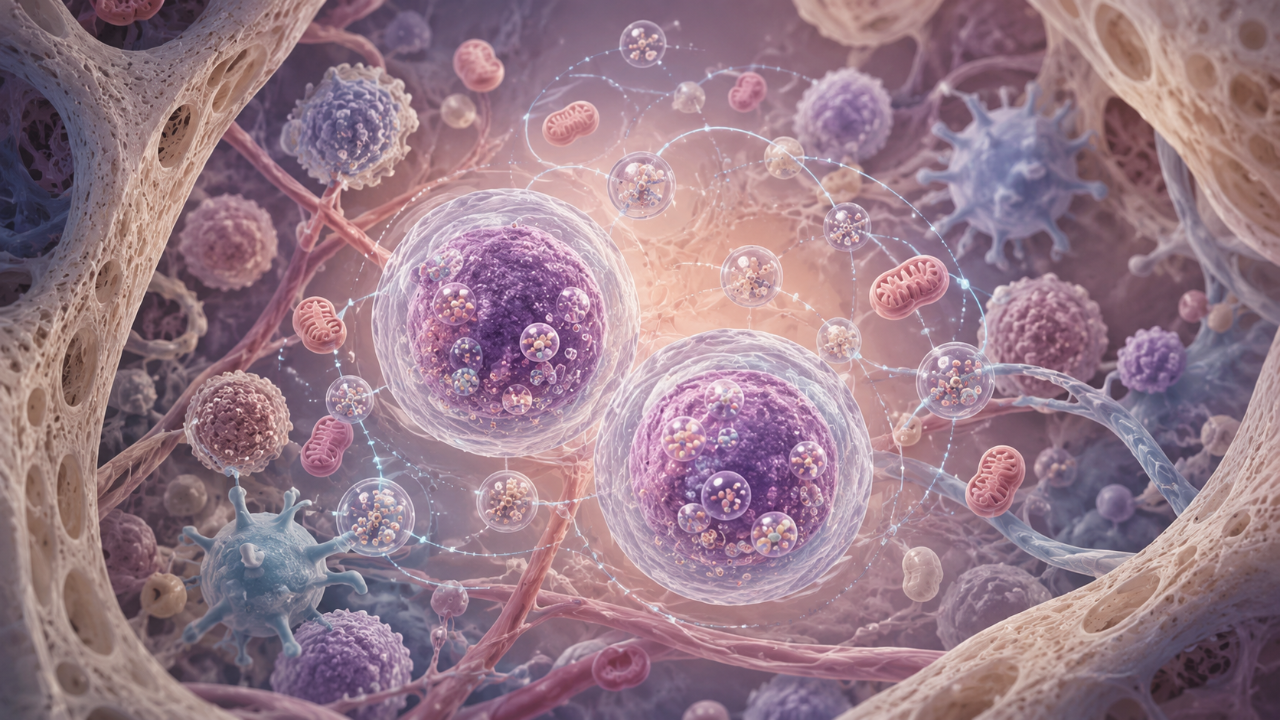
Old Blood Stem Cells Regain Youthful Function in Mice
Researchers reported that aged blood-forming stem cells in mice recovered more youthful behavior after scientists corrected faulty lysosomes, the cell’s recycling machinery. The finding points to a specific mechanism behind blood stem cell aging, but it remains preclinical and does not show human age reversal.
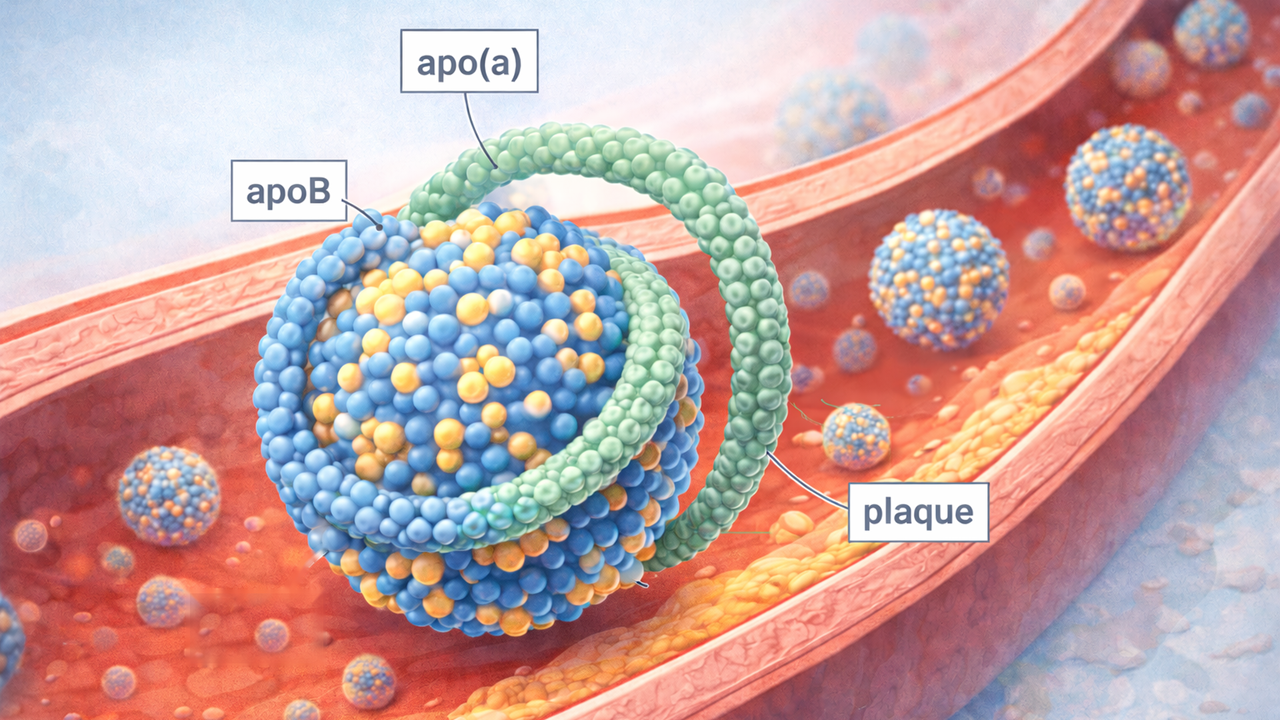
Lipoprotein(a): A Genetic Health Risk Most People Miss
Lipoprotein(a), or Lp(a), is a genetic health risk marker that often stays hidden because it is not part of a routine cholesterol panel. Major guidelines now support checking it at least once in adulthood. This guide explains what Lp(a) is, why it matters for heart and valve disease, how to interpret results, and what high levels do—and do not—change.
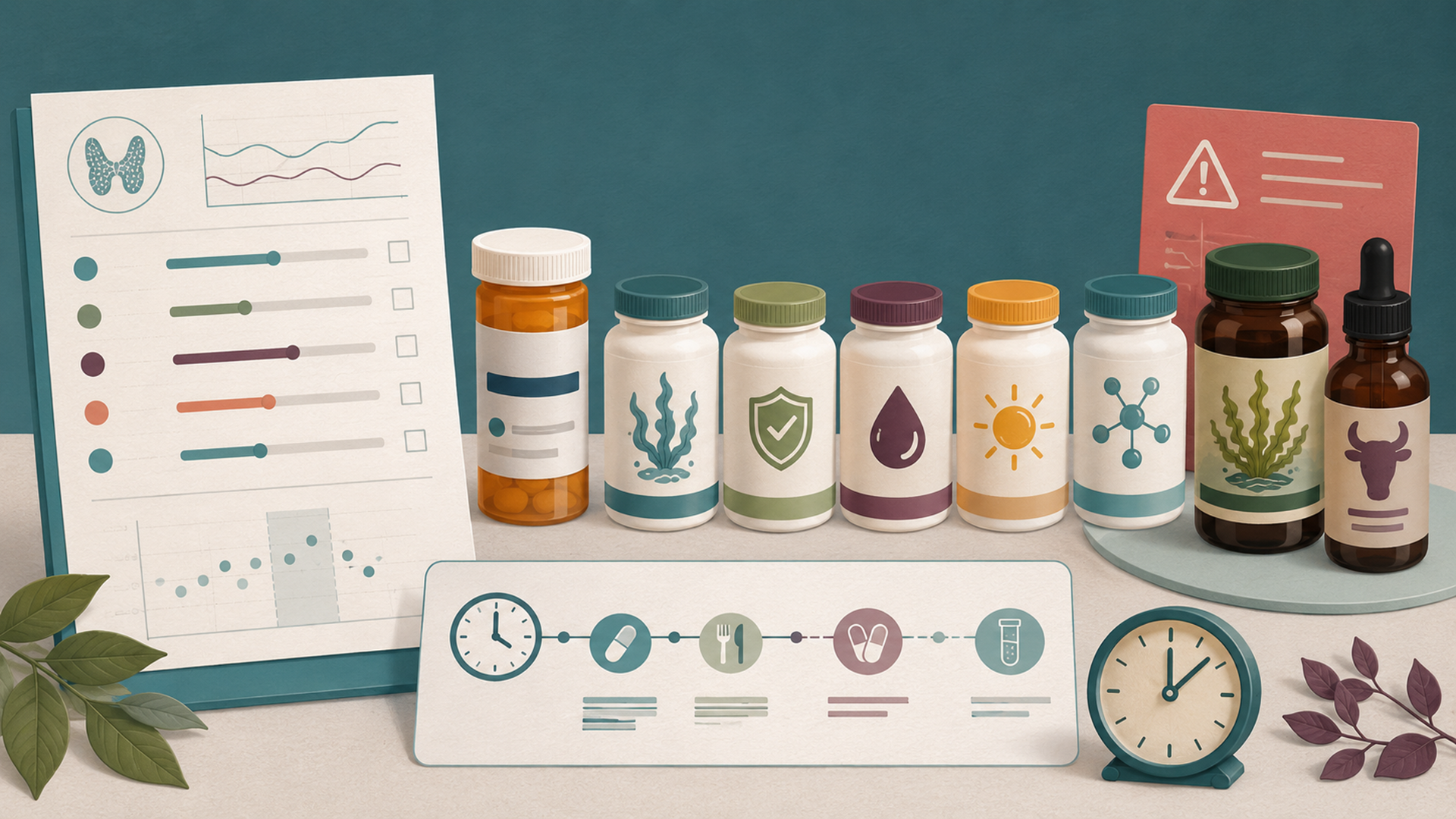
Supplements Studied for Hypothyroidism: Evidence, Safety, and What the Research Says
Supplements marketed for hypothyroidism range from iodine, selenium, iron, and vitamin D to myo-inositol, ashwagandha, probiotics, glandular extracts, and “thyroid support” blends. This evidence-first guide separates deficiency correction from thyroid treatment, explains levothyroxine timing and biotin interference, and flags products that may worsen thyroid function.
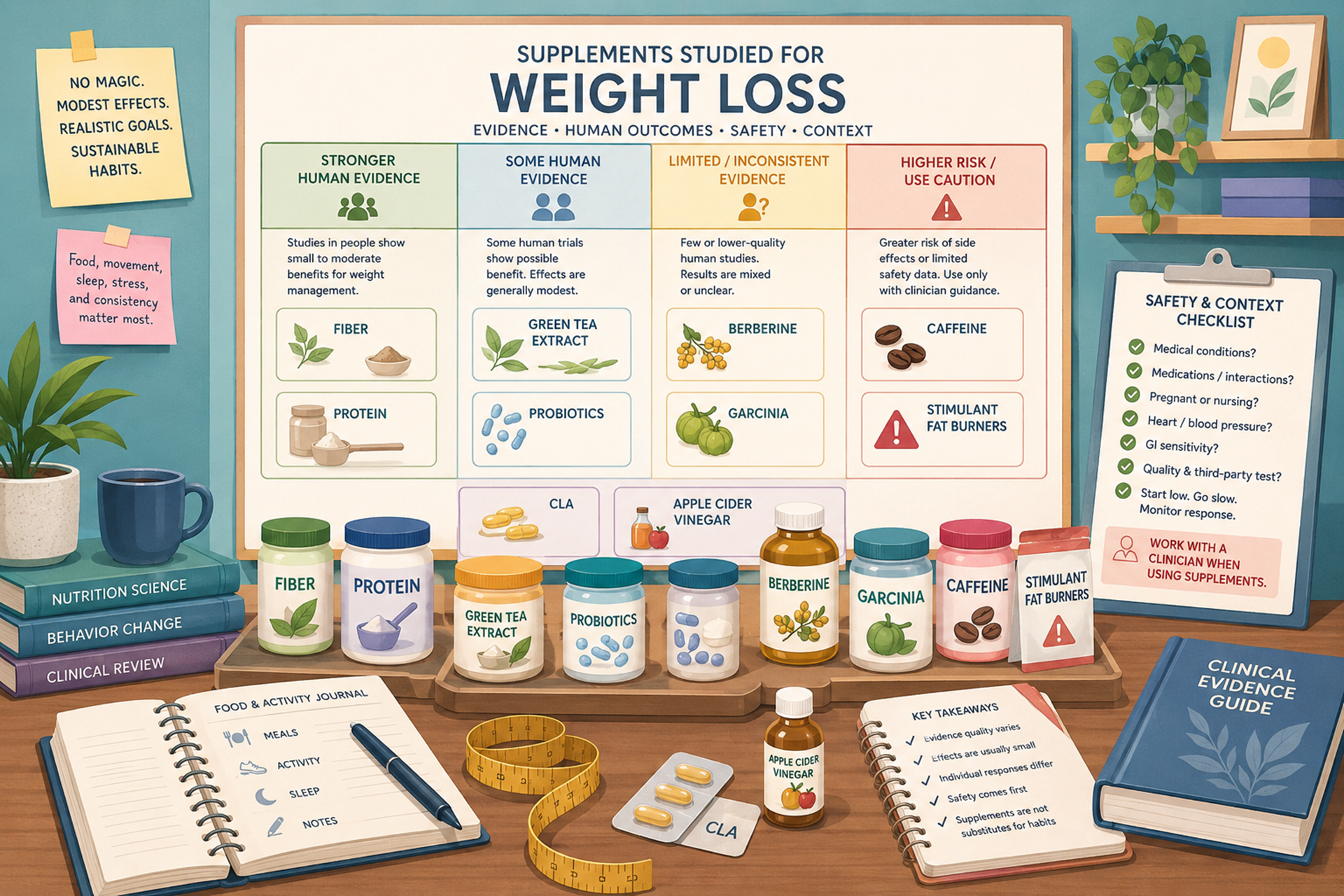
Supplements Studied for Weight Loss: Evidence, Safety, and What the Research Says
Weight-loss supplements range from fiber and protein powders to caffeine, green tea extract, probiotics, berberine, CLA, garcinia, apple cider vinegar, and stimulant “fat burners.” This guide separates human weight-loss evidence from biomarker claims, weak evidence, and safety concerns.
GLP‑1 Agonists for Weight Loss: Evidence, Benefits, Risks
GLP‑1 agonists mimic a “fullness” hormone to curb appetite, slow stomach emptying, and lower blood sugar. In large trials, weekly semaglutide produced ~15% average weight loss over 68 weeks—far beyond older drugs—while improving cardiometabolic risk factors.

Research-Backed Supplements for Treating Congestive Heart Failure
Learn about evidence-based supplements proven to support heart function in congestive heart failure. From improving ejection fraction and reducing hospitalizations with Coenzyme Q10 and Omega-3 fatty acids, to enhancing exercise tolerance with Hawthorn extract, these supplements complement medical therapy for better cardiovascular health.
How to Slow Down Chronic Kidney Disease Progression
Chronic kidney disease silently affects 800 million people worldwide. This in‑depth guide explains CKD pathophysiology, causes, detection, and thoroughly reviews evidence‑based drugs, supplements, lifestyle changes, and system‑level strategies that can delay kidney failure.

Sukunaarchaeum mirabile: The Minimal Cell That Acts Like a Virus
An ultra‑reduced archaeon discovered inside marine plankton carries just 238 kbp of DNA, lacks metabolism, and relies on its host like a virus—blurring the very definition of life while expanding the archaeal tree with a whole new lineage.