
Jivaro Journal
Editorial leadership for scholarly standards and peer-review integrity.
Jivaro Journal is led by an editorial team responsible for maintaining the journal’s scholarly standards, editorial process, peer-review integrity, and subject-matter coverage across finance, science and health, technology, policy, design, and international industry practice.
Editorial leadership
Founding editor and editor-in-chief.
Editorial leadership is responsible for journal direction, editorial standards, peer-review oversight, policy development, and final publication decisions.
Founding Editor / Editor-in-Chief
Harry Negron
CEO of Jivaro · Ph.D. in Genetics
Harry Negron serves as the Founding Editor and Editor-in-Chief of Jivaro Journal. He holds a B.S. in Microbiology and Mathematics and a Ph.D. in Genetics, with a specialization in biomedical sciences. His background spans biomedical science, genetics, technology, writing, software, and digital publishing.
As Editor-in-Chief, he is responsible for the journal’s editorial direction, publication standards, peer-review oversight, and final publication decisions.
Editorial direction
Maintains the journal’s scope, standards, and editorial priorities.
Scientific standards
Supports policy alignment, review quality, and publication readiness across research areas.
Final decisions
Holds responsibility for acceptance, rejection, and publication decisions.
Editorial responsibilities
What the board supports.
The Editorial Board supports the journal’s scope development, peer-review standards, reviewer identification, and subject-matter evaluation across the journal’s core areas.
Scholarly standards
Supports standards for methodological clarity, evidence quality, research contribution, and responsible interpretation.
Scope development
Helps refine coverage across science and health, technology, finance-adjacent research, and interdisciplinary submissions.
Reviewer identification
Supports identification of qualified reviewers when manuscripts require specific technical or scientific expertise.
Subject-matter evaluation
Provides expertise for manuscripts involving specialized biomedical, technical, environmental, or computational claims.
Conflicts and recusal
Board members should disclose conflicts and recuse themselves when impartiality could reasonably be questioned.
Research integrity
Supports careful handling of ethics, transparency, reproducibility, data quality, and publication-integrity concerns.
Editorial board
Board members by expertise.
Images are included for trust and recognition, but the page emphasizes editorial function, scope coverage, review standards, and subject expertise.
Medical AI & Imaging
Clinical data, imaging research, and machine learning evaluation.

Editorial Board Member
Aiko Shimizu
Dr. Aiko Shimizu reviews manuscripts at the intersection of medical science, imaging research, and artificial intelligence. Her review focus includes diagnostic model evaluation, clinical data interpretation, imaging-based biomarkers, dataset quality, validation methods, and the responsible use of machine learning in healthcare settings.
Biomedical & Translational Science
Regenerative medicine, immunology, molecular medicine, biosensors, and applied medical technology.
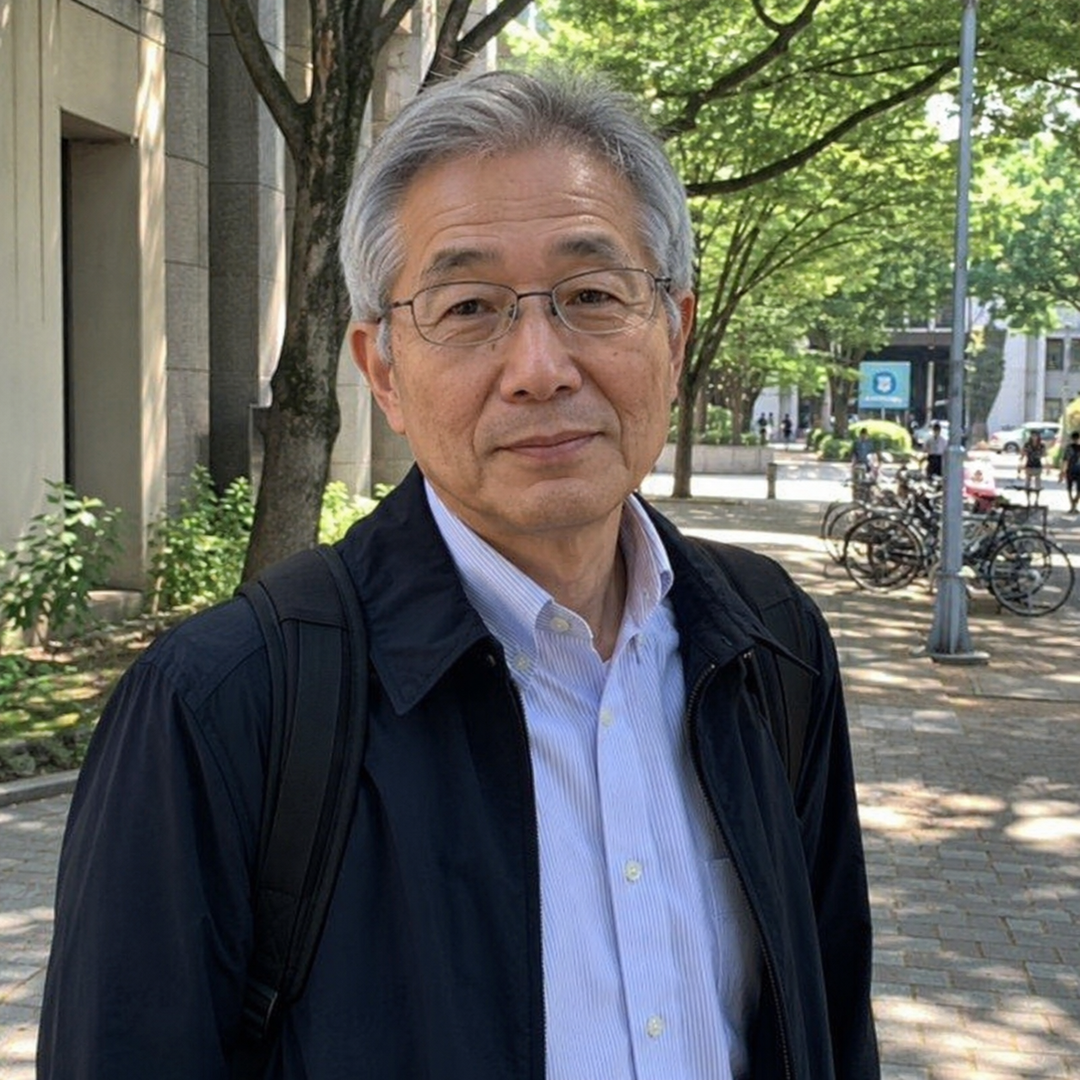
Editorial Board Member
Kenji Watanabe
Dr. Kenji Watanabe reviews manuscripts in regenerative medicine, stem cell biology, aging-related biomedical research, and clinically oriented surgical science. His review approach emphasizes biological plausibility, ethical considerations, translational value, and the long-term significance of research findings.

Editorial Board Member
Michiko Arai
Dr. Michiko Arai reviews manuscripts in immunology, infectious disease biology, and molecular medicine. Her expertise includes host immune responses, inflammatory pathways, experimental biomedical models, translational research, experimental controls, ethical standards, and clarity of scientific communication.
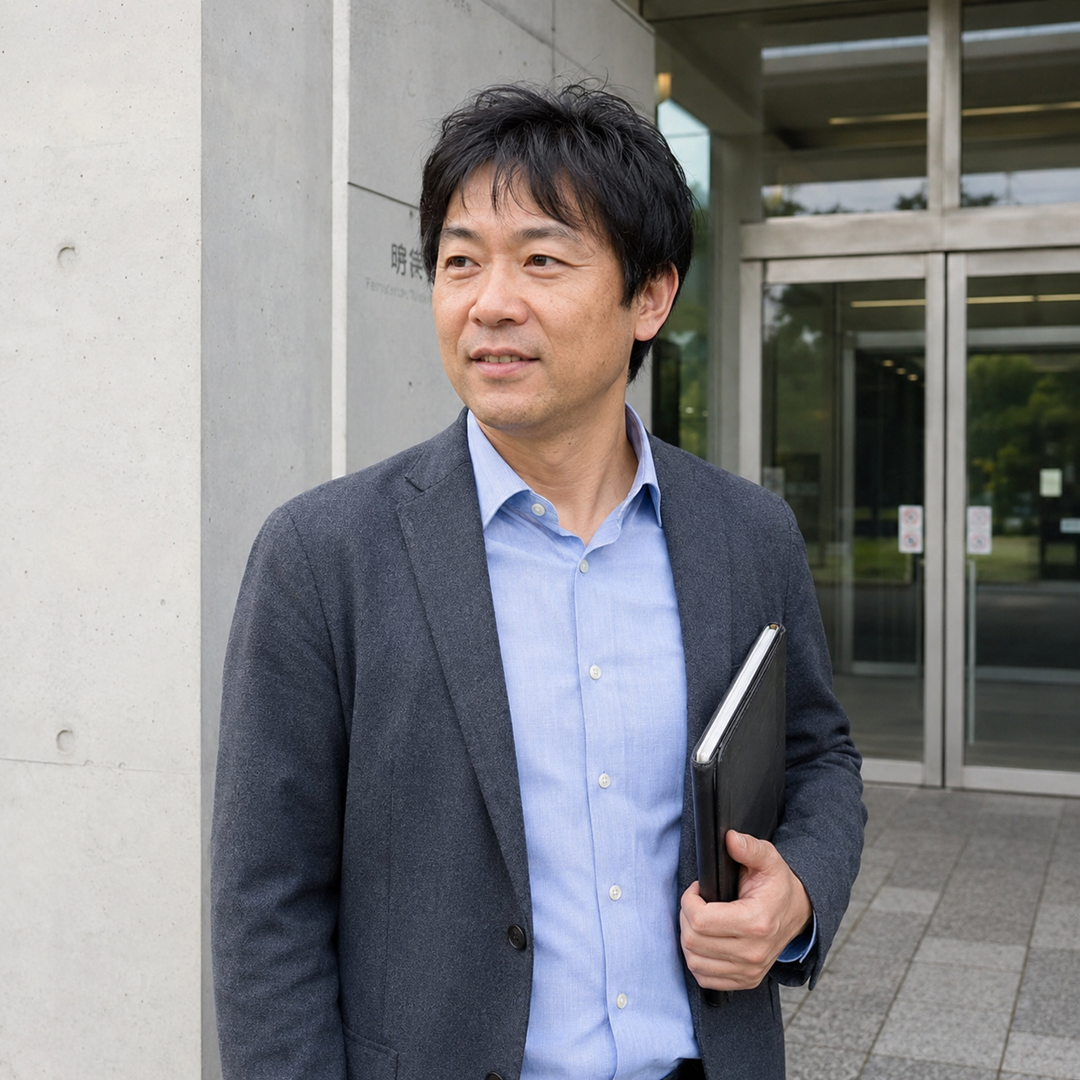
Editorial Board Member
Tatsuya Nakamura
Dr. Tatsuya Nakamura reviews submissions involving biomedical engineering, biosensor development, nanomaterials, and applied medical technology. His reviews emphasize validation, device performance, reproducibility, practical design logic, data reliability, and responsible biomedical translation.
Environmental & Ecosystem Health
Environmental microbiology, ecosystem systems, and climate-related biological change.
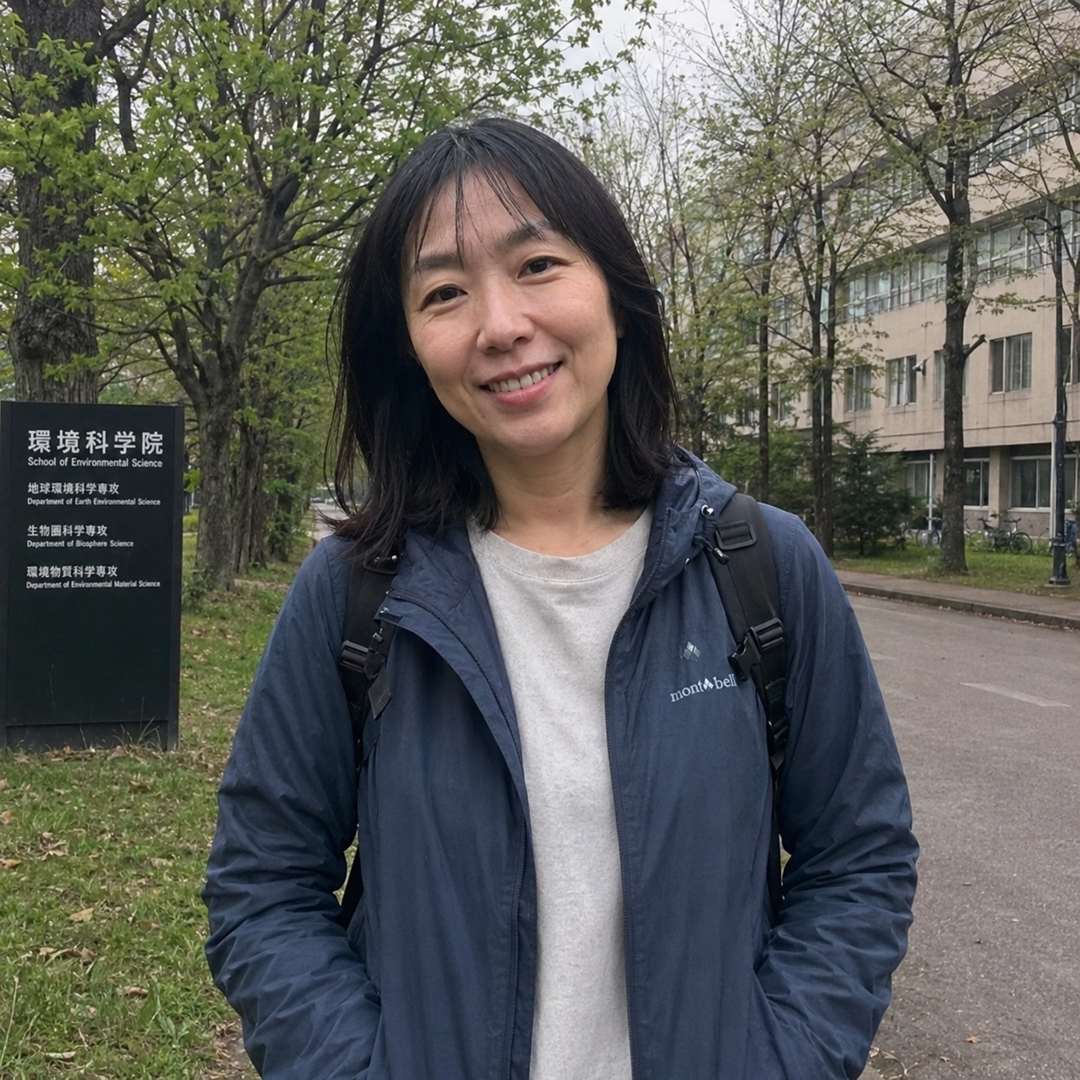
Editorial Board Member
Reina Kondo
Dr. Reina Kondo reviews research in environmental microbiology, ecosystem health, and climate-related biological change. Her review focus includes microbial community analysis, marine and coastal ecosystem studies, sampling design, ecological interpretation, statistical transparency, and the framing of environmental findings.
How board expertise may be used
Board involvement supports the editorial process.
Board membership does not guarantee involvement in every manuscript. Editorial leadership may consult board members when a submission requires additional scope, review, or subject-matter judgment.
Scope and fit
Board expertise may help clarify whether a manuscript belongs within the journal’s active research coverage.
Reviewer identification
Board members may support reviewer identification when a manuscript requires specialized scientific, biomedical, technical, or interdisciplinary review.
Subject assessment
Board members may provide subject-matter evaluation or help interpret reviewer feedback when technical claims require careful editorial judgment.
Integrity oversight
Board expertise may support handling of research-integrity questions, disclosure concerns, reproducibility issues, and post-publication matters.
Appointment, conflicts, and recusal
Board governance should stay transparent.
All editorial board appointments are made by the journal’s editorial leadership. Board composition may evolve as Jivaro Journal develops its section coverage, reviewer network, publication program, and research-policy infrastructure.
Appointment
Appointments are based on editorial needs, subject coverage, review capacity, and the journal’s developing scope.
Conflicts
Board members should disclose relevant financial, professional, academic, personal, or institutional conflicts.
Recusal
A board member may be recused from a manuscript when impartiality could reasonably be questioned.
Journal links
Research directory
Compact, alphabetized links for authors, reviewers, readers, and editorial-policy navigation.